KNGSUITE
It already knows everyone in the room.
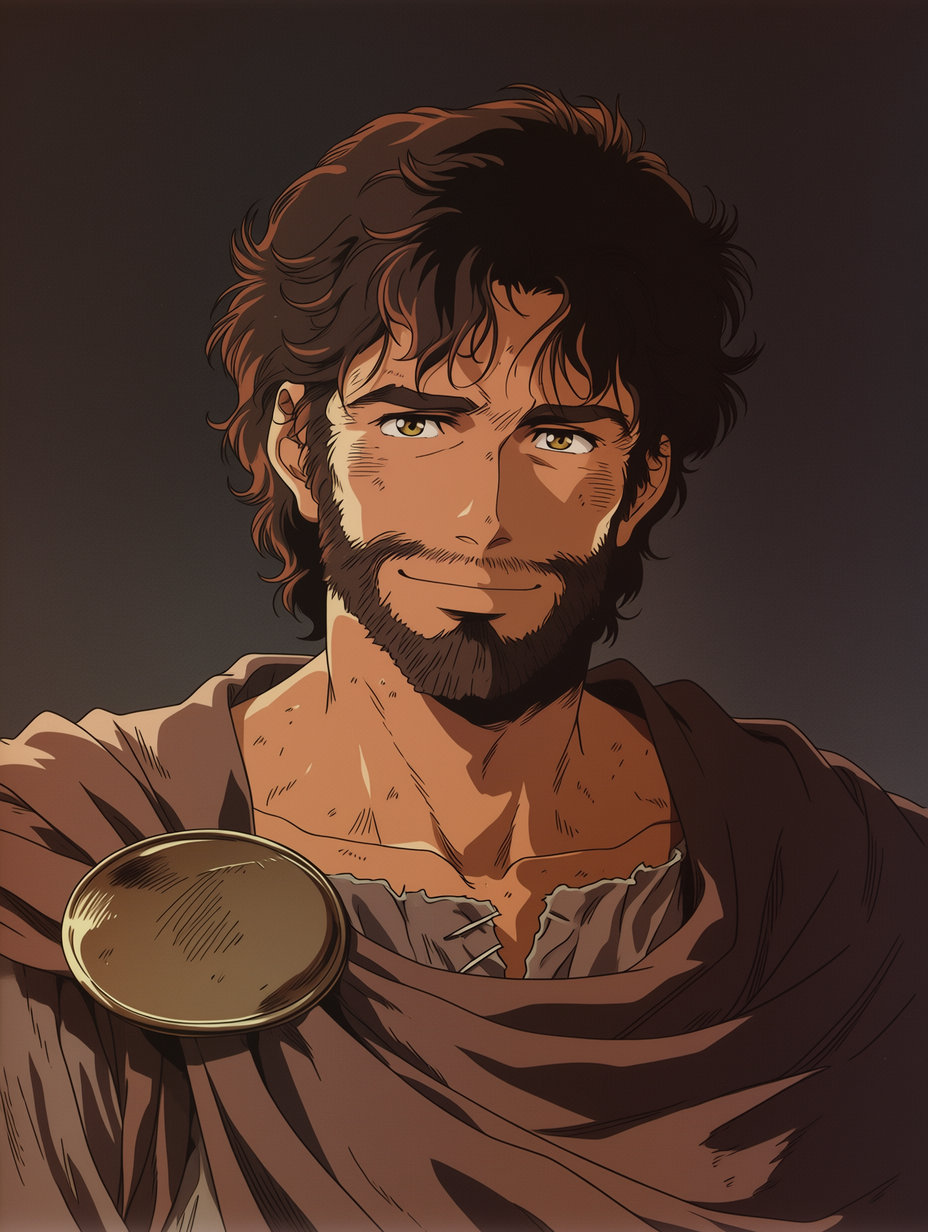
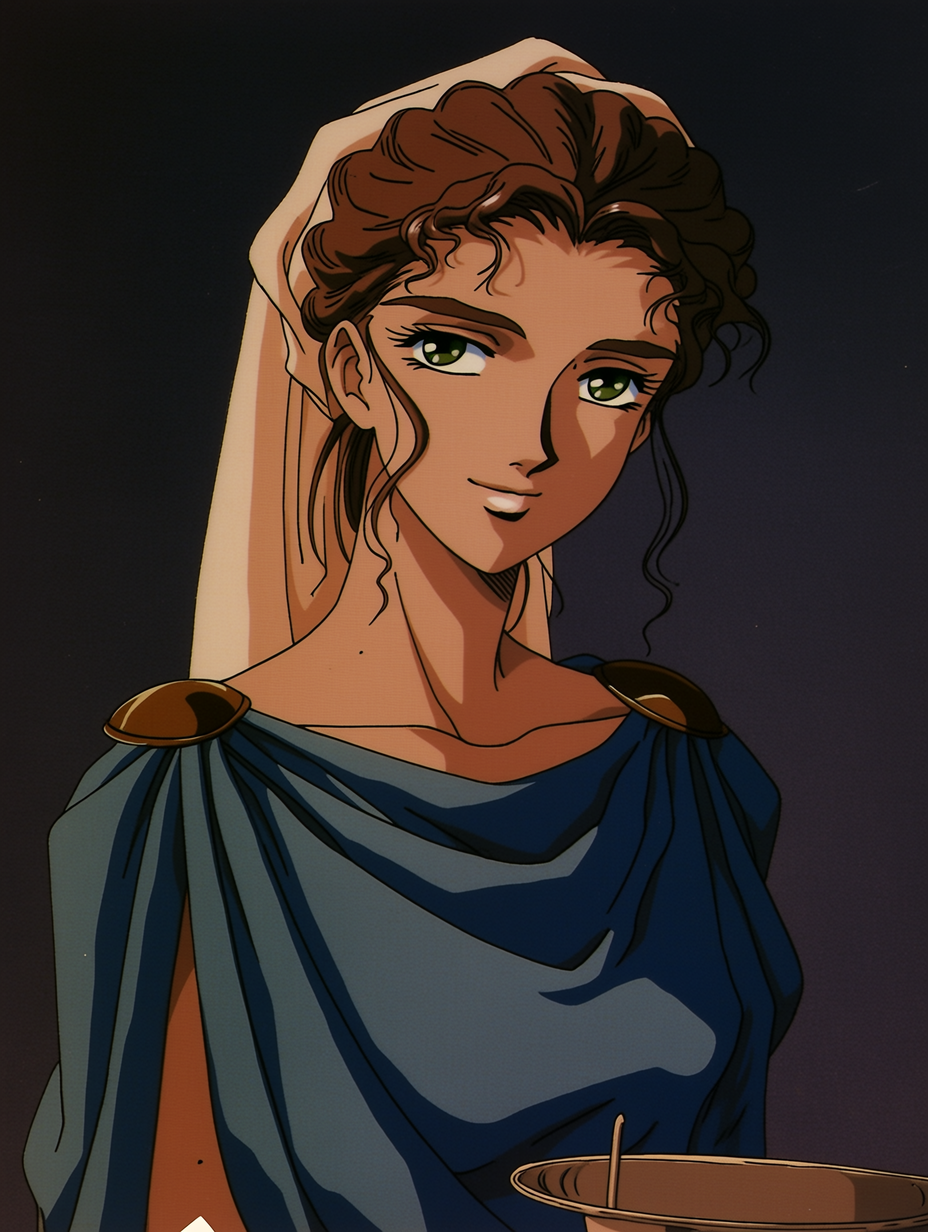
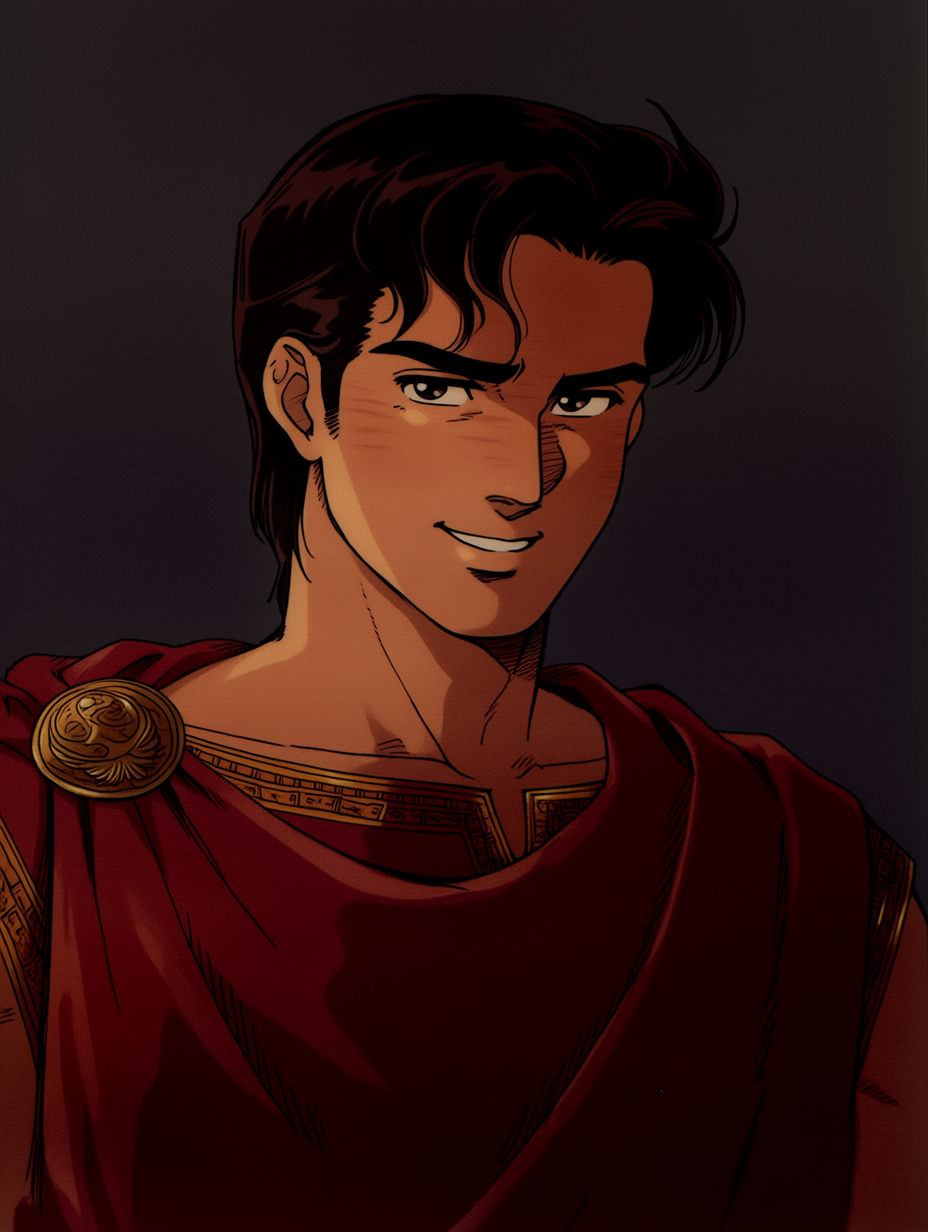
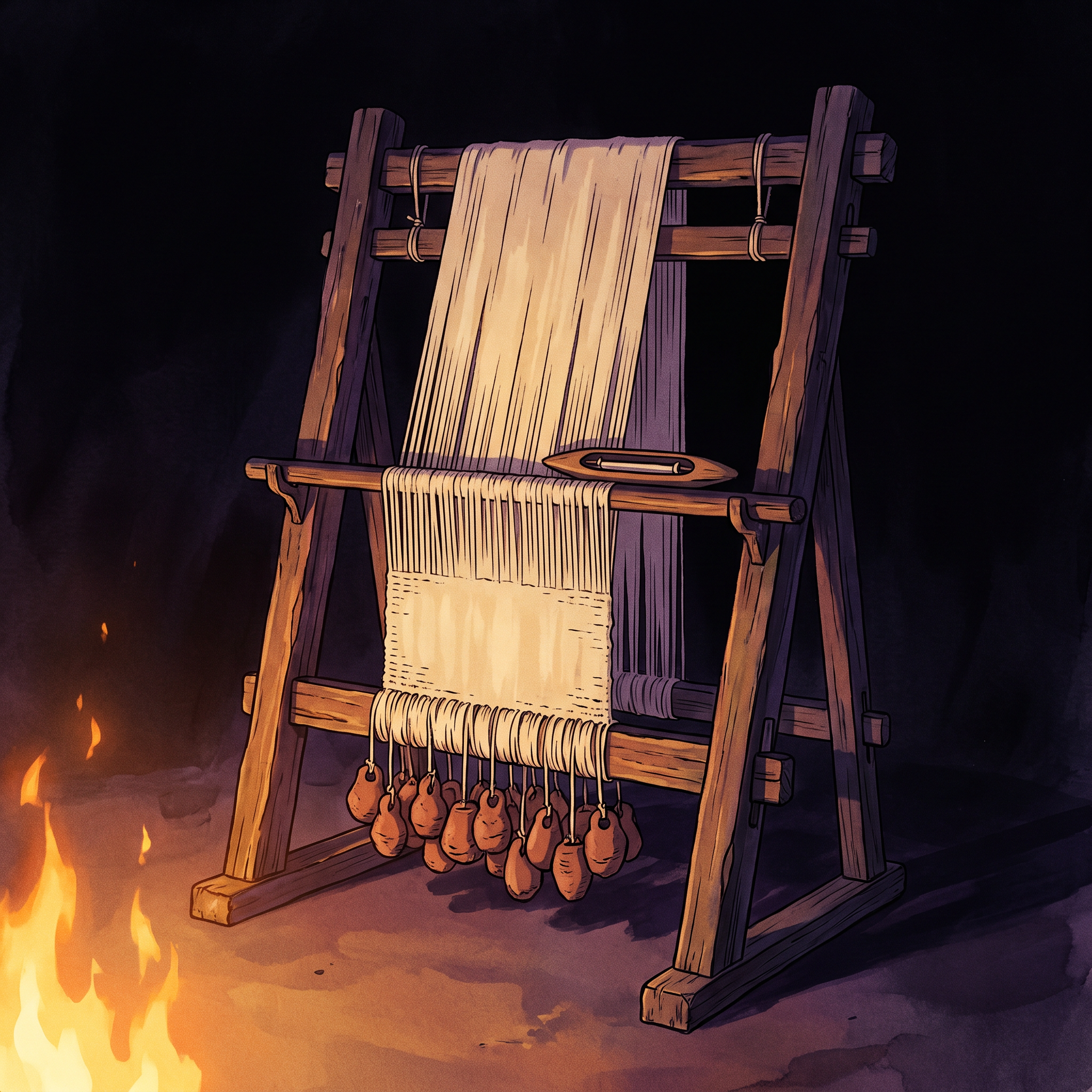
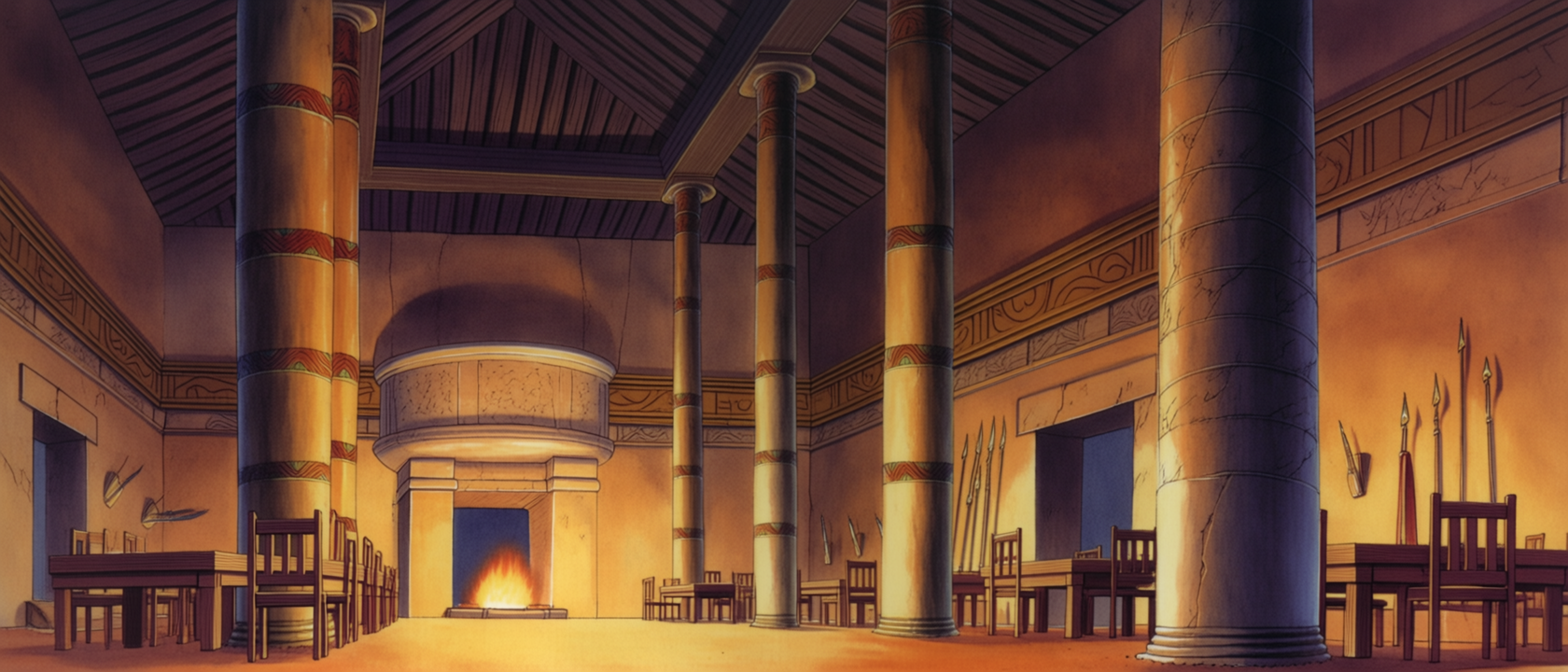
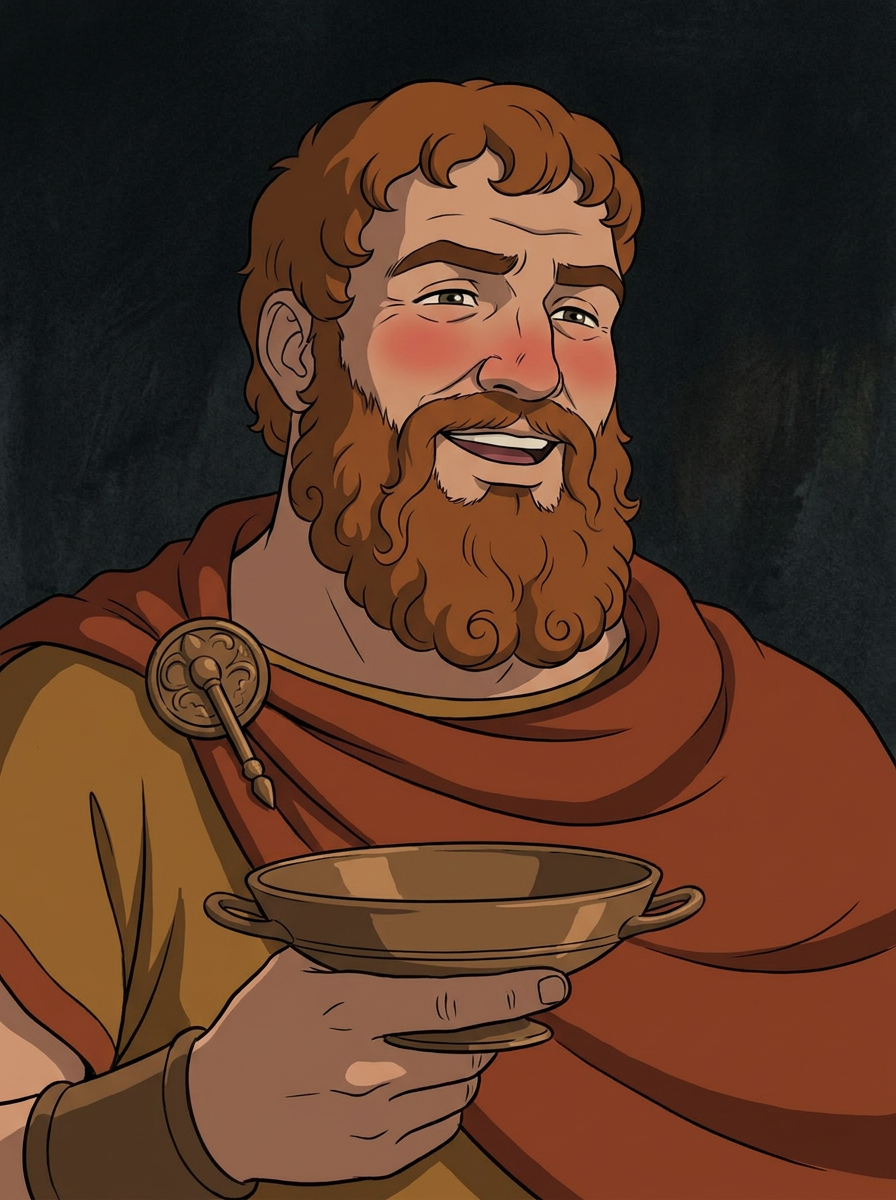
Everything approved lives in the library — each face, set, and prop saved as a plate (one locked reference image) under a handle any brief can cite, like @odysseus. Leads and sets resolve instantly; what's left is a gap list. But first — where did this library come from?
Nothing becomes canon without a yes.
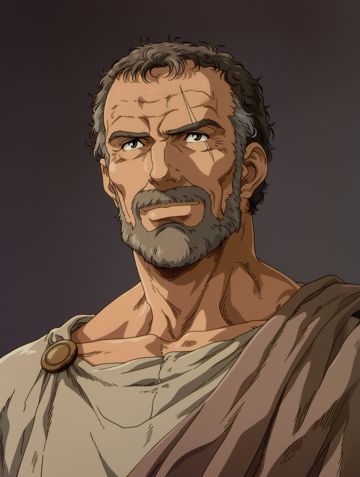
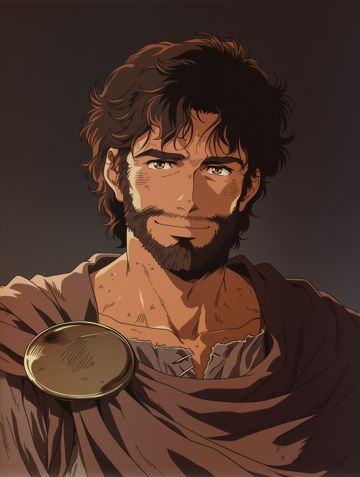
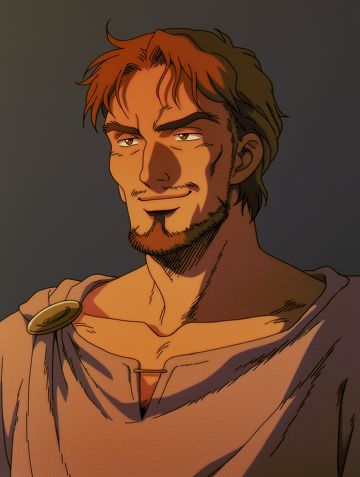
Three Odysseuses were proposed. One got the yes — and that face is now law for the whole series. The two rejections aren't waste: they're data about what this world's owner wants — and here is exactly what they build:
Every decision teaches the system.
Those 247 proposals and 80 yeses aren't just a library — they're 167 recorded preferences: what this world's owner chose, over what, in what context.
Heroes: warmth over granite — the rogue beat the veteran
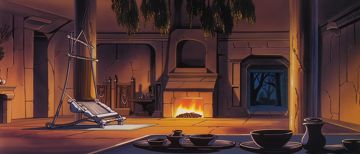
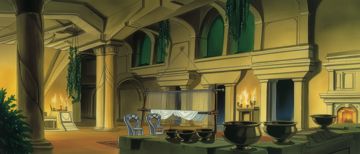 Interiors: firelight and shadow over bright and airy
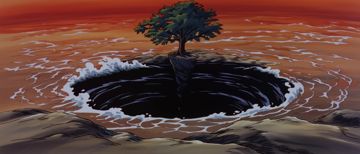
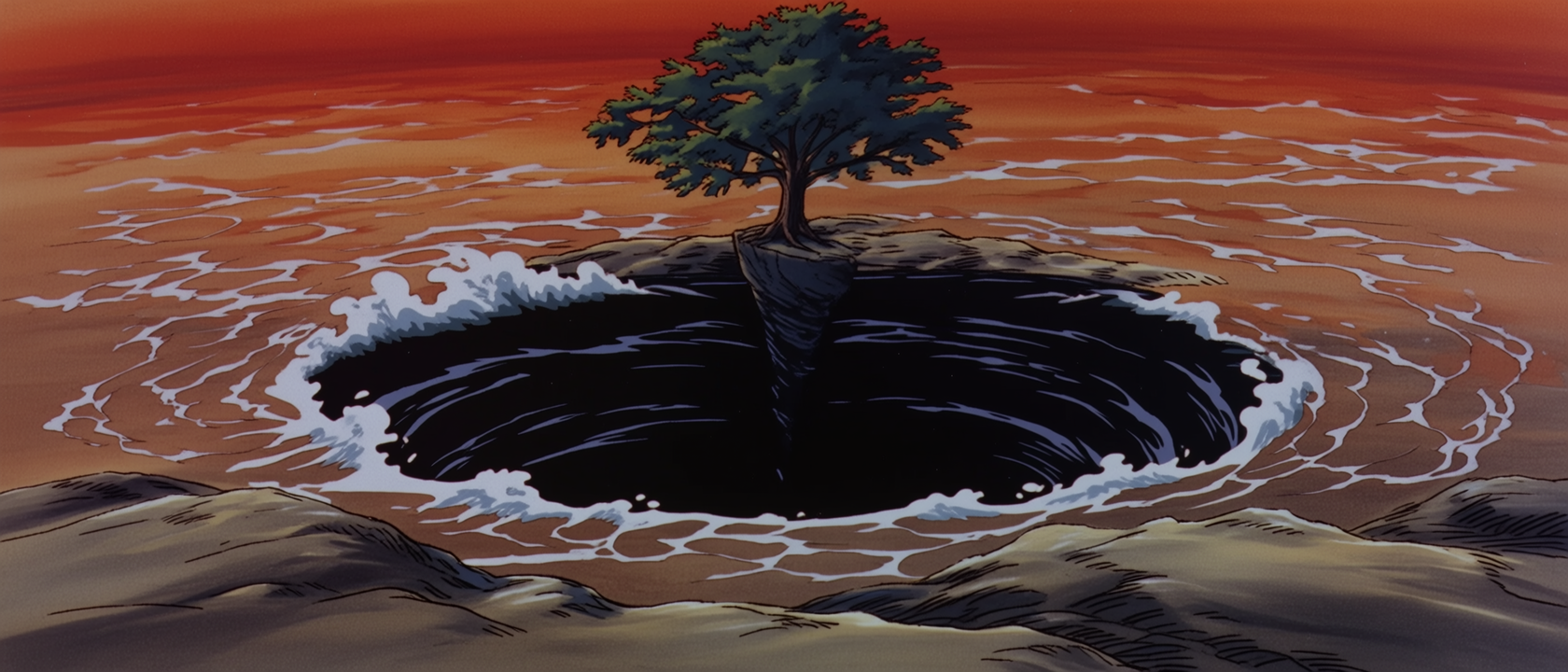
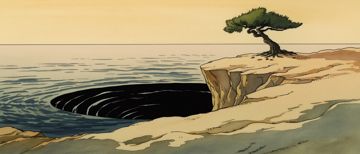 Myth: dread rendered big — the blood-sky vortex won
By the end of one sort, that's a taste profile for this world — owned by its rights holder, portable to nothing else:
And this is the second durable piece from the machine slide: canon records what the owner locked; taste records why. Both are about to direct everything that gets built next.
Same face. New scene. No fitting.
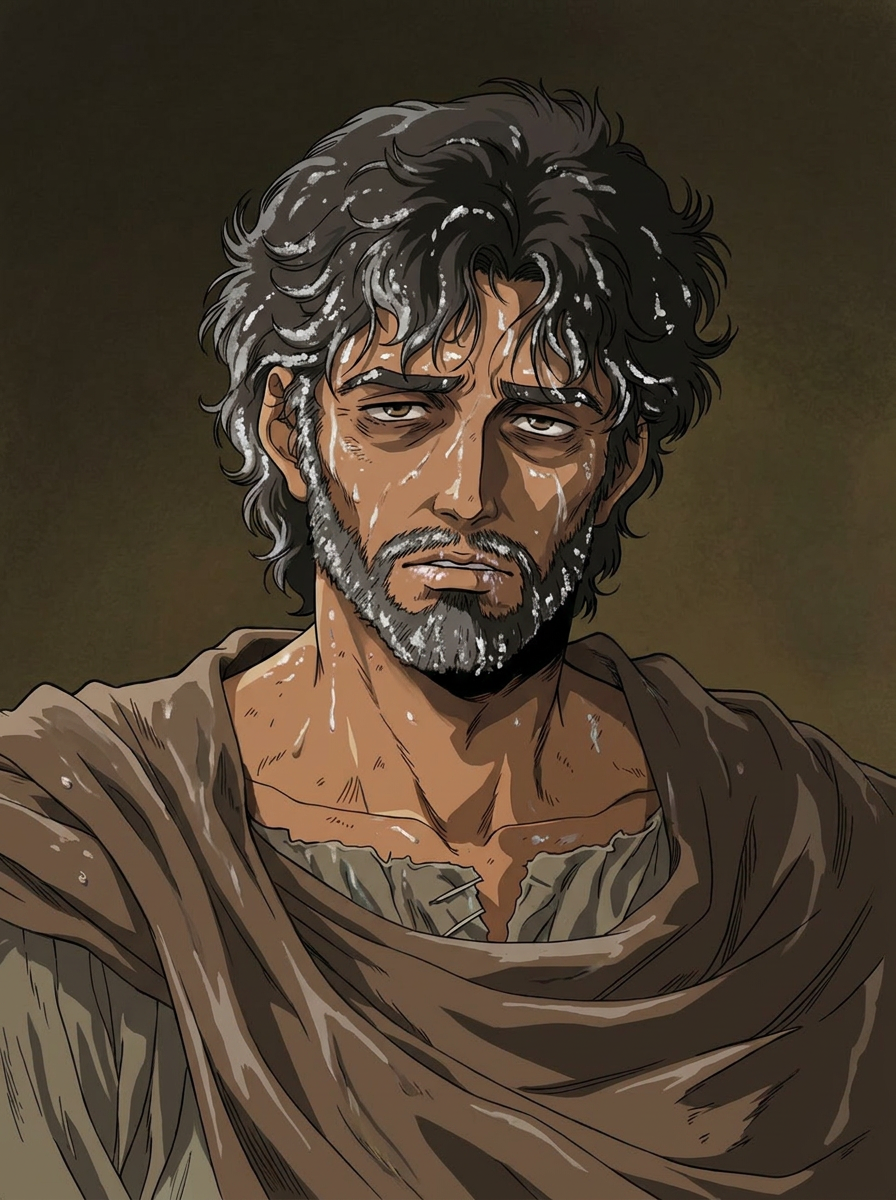
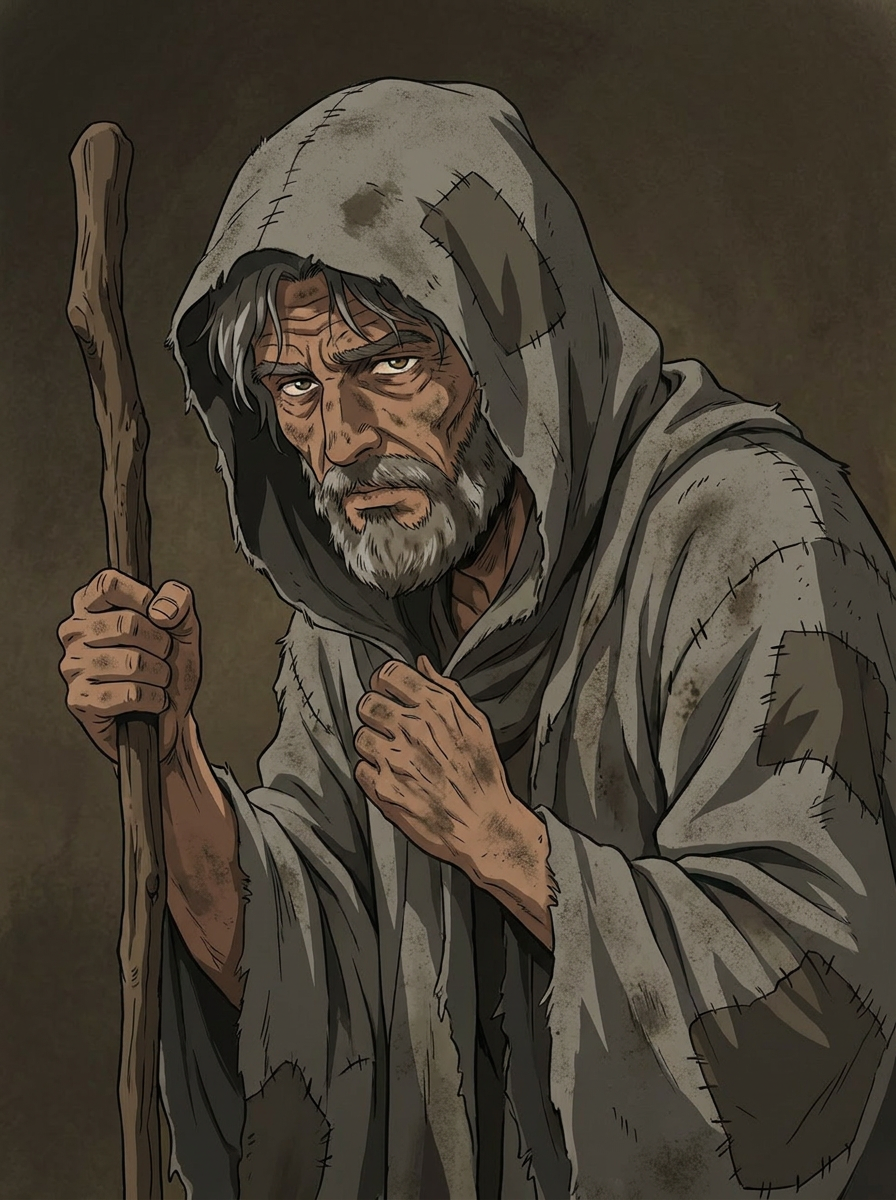
The approved face is locked once, like a cast deal. Every look after that is a state — built from the locked face by the system itself, in the same animation style.
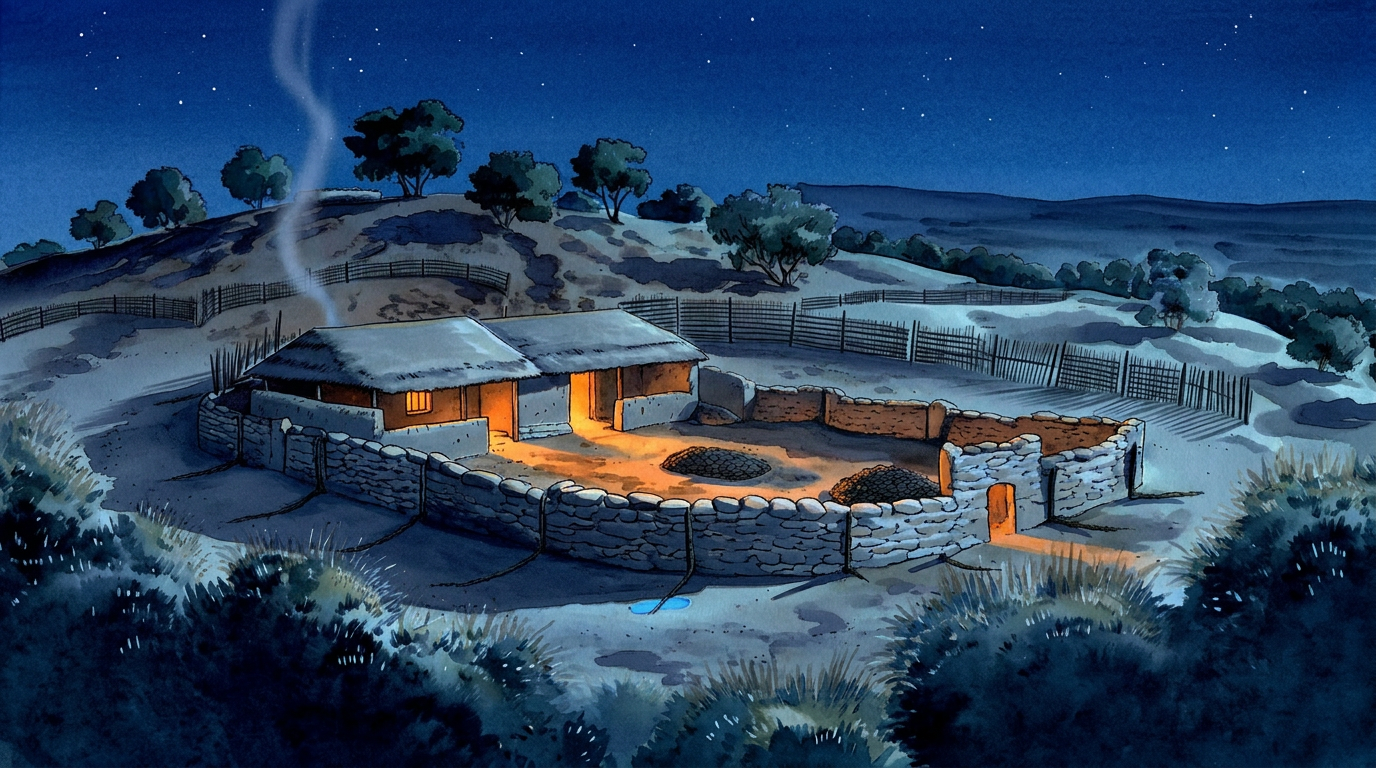
Locations work exactly the same way —
Relight it. Don't repaint it.
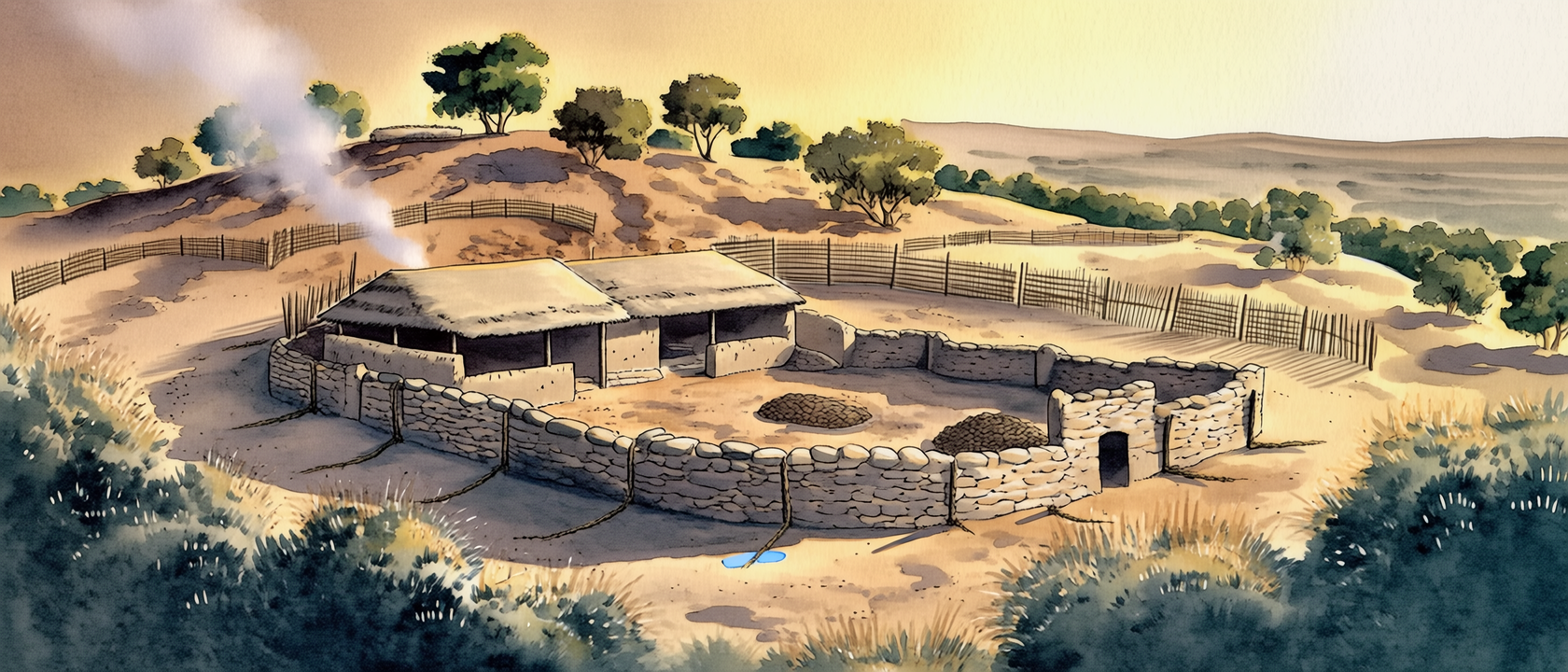
 Day · approved background
Night · derived by the system
Day · approved background
Night · derived by the system
One approved background becomes every hour of the day. Same walls, same pens, same brushwork: the painting doesn't change, the light does. Filed back as @eumaeus-hut/night — on the shelf for every night scene after this one.
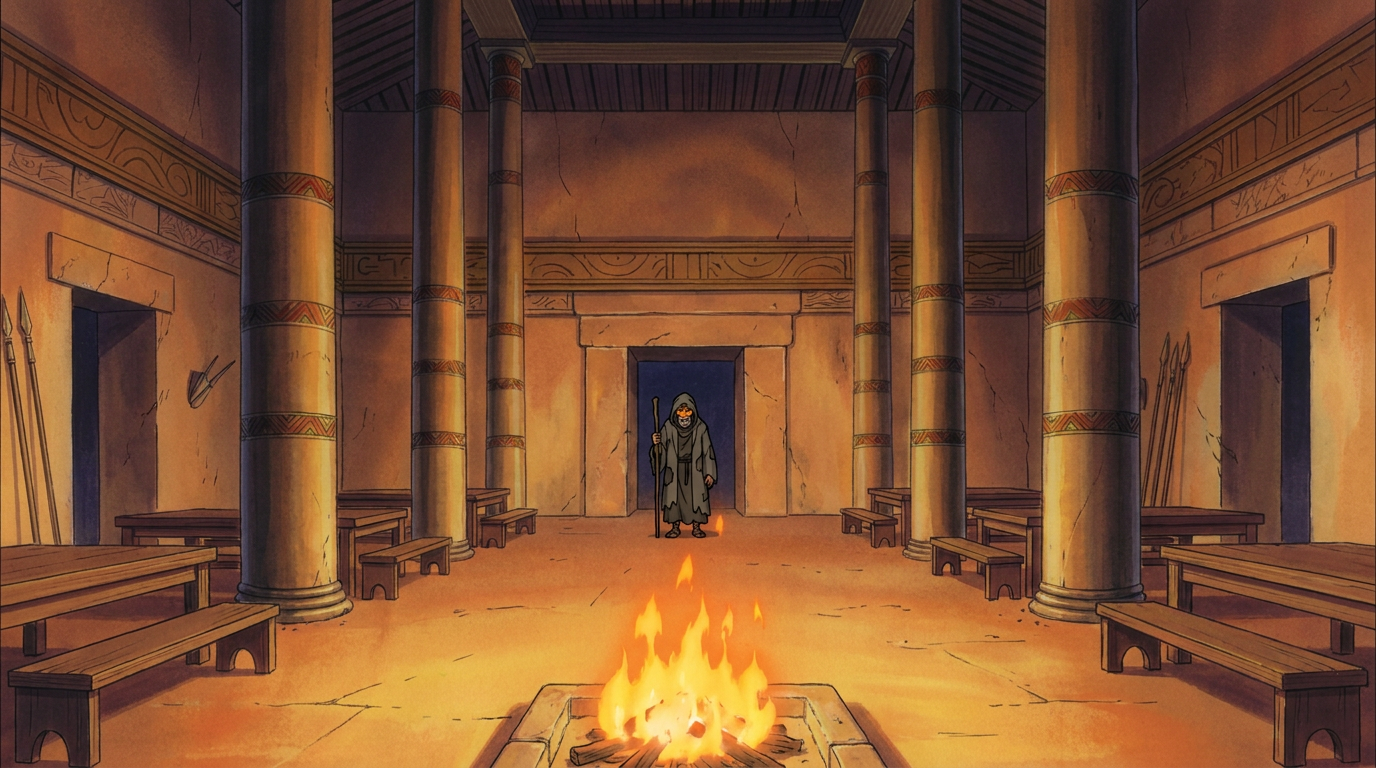 204-011 · the frame — composed from locked pieces
None of these rules came from a manual. Every one is a scar — something that broke once, got fixed, and became law.
The system cast these. Nobody briefed them.
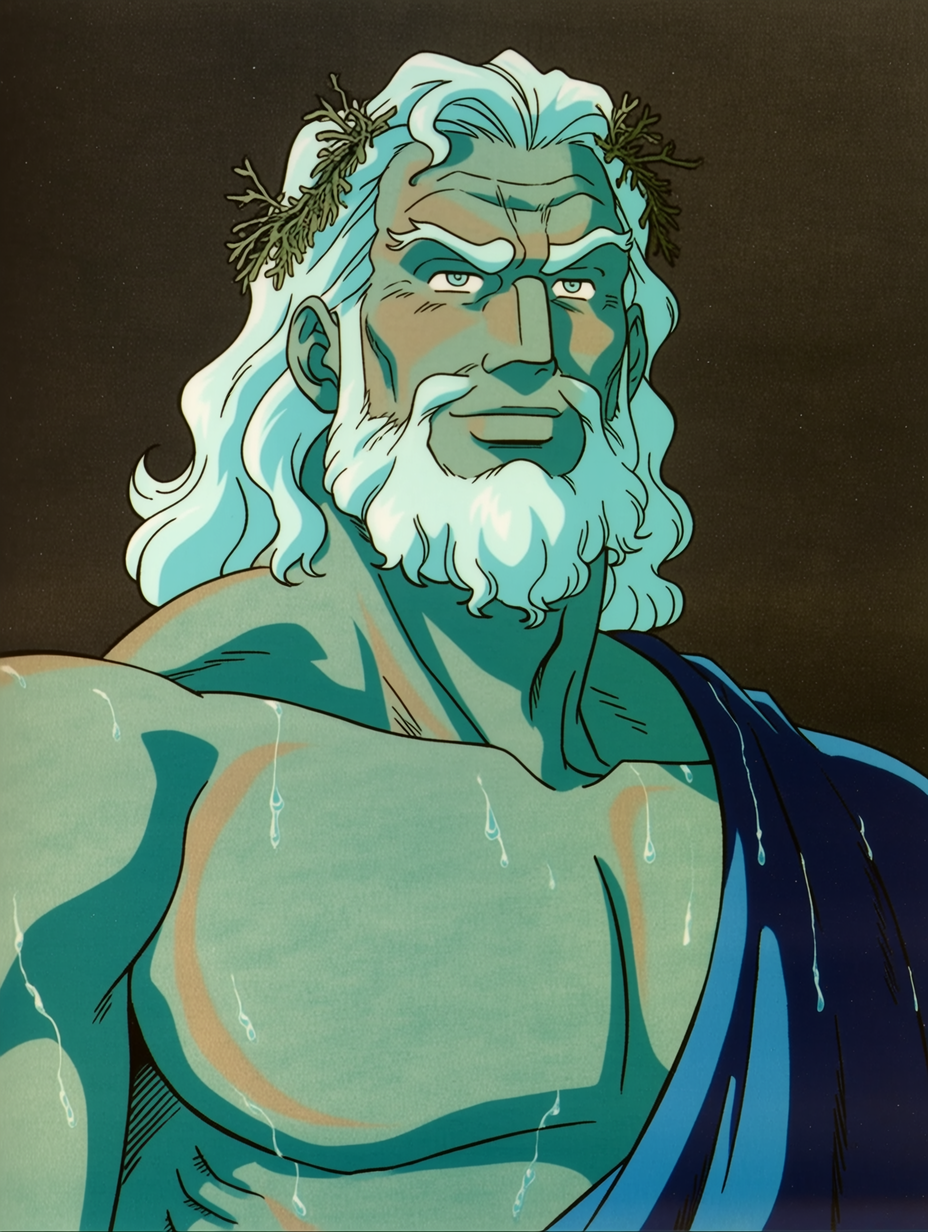
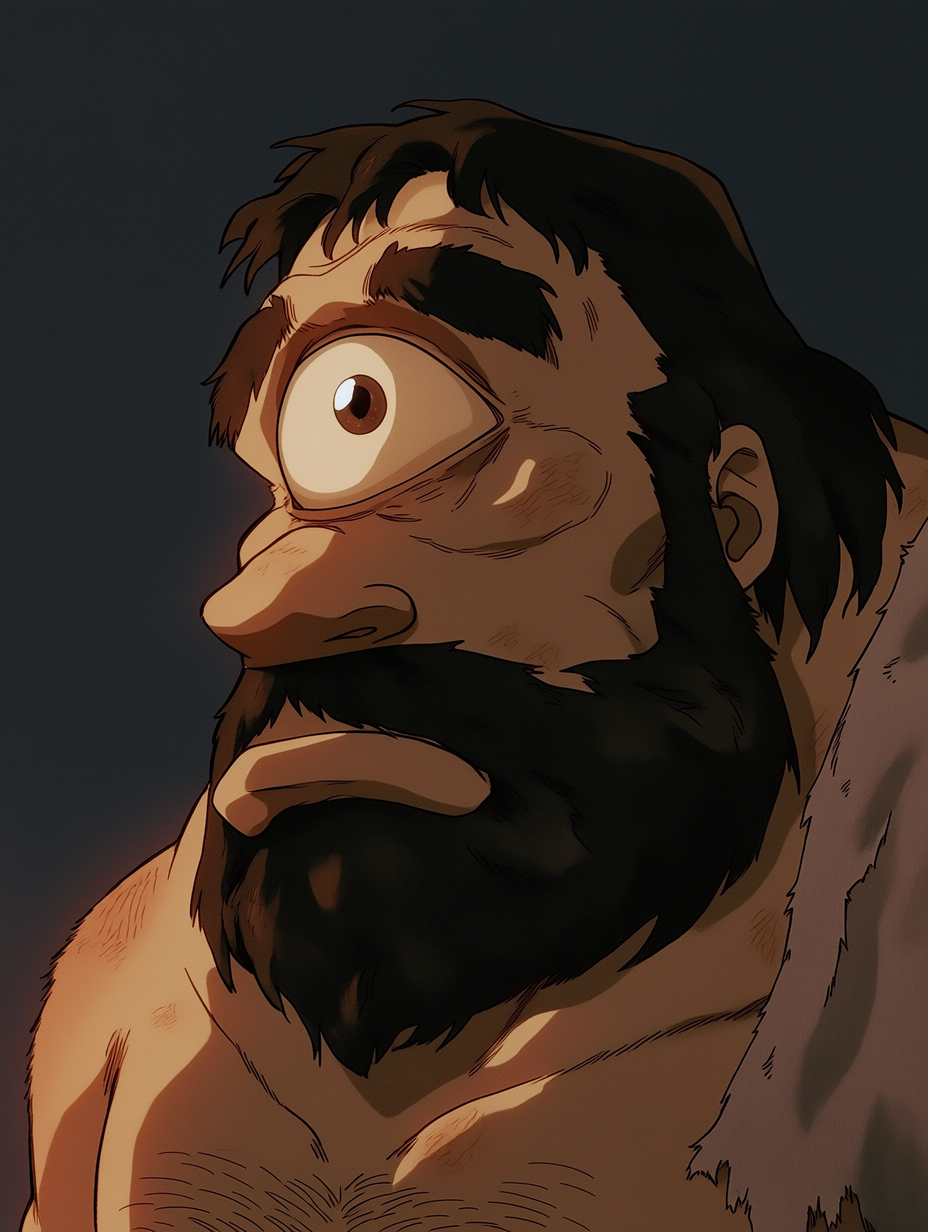
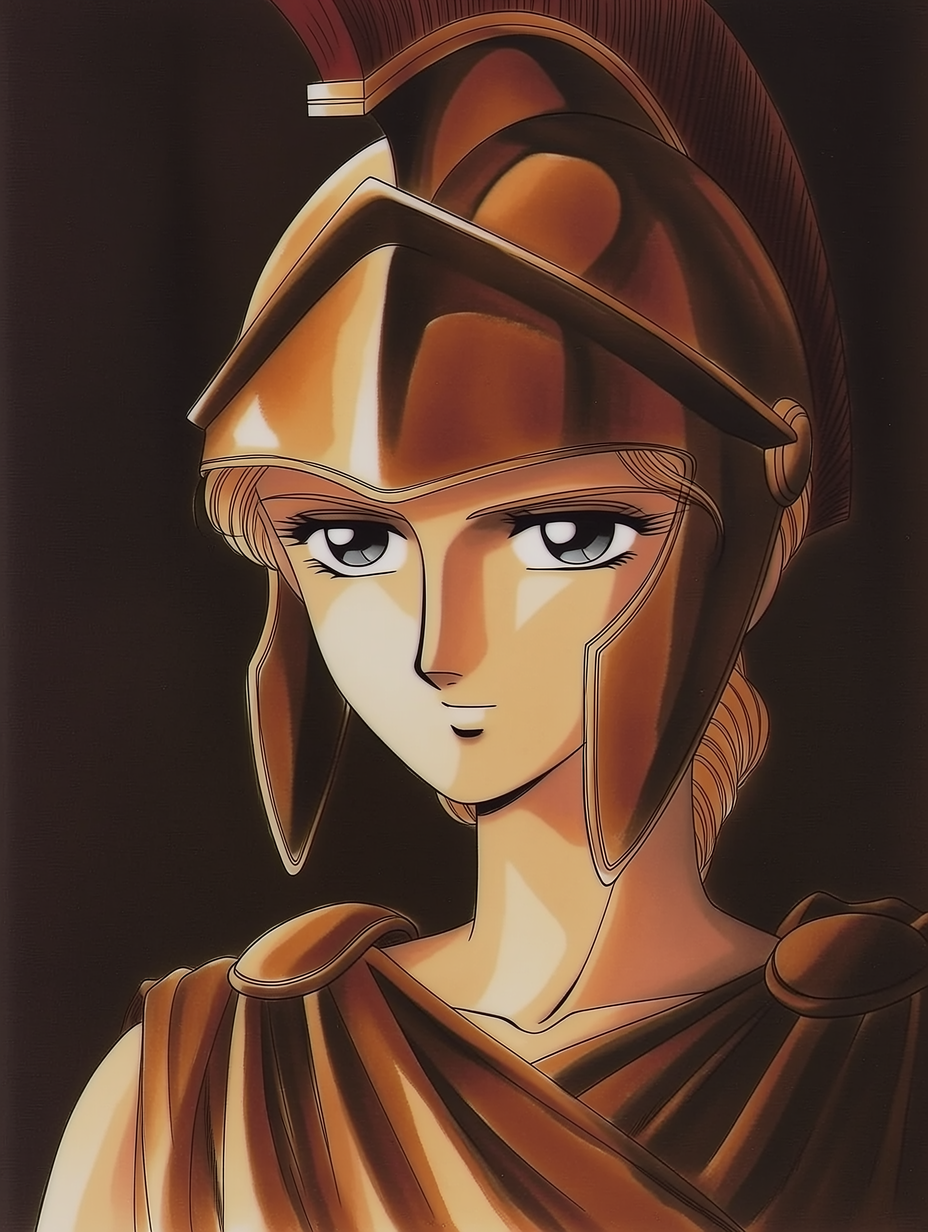
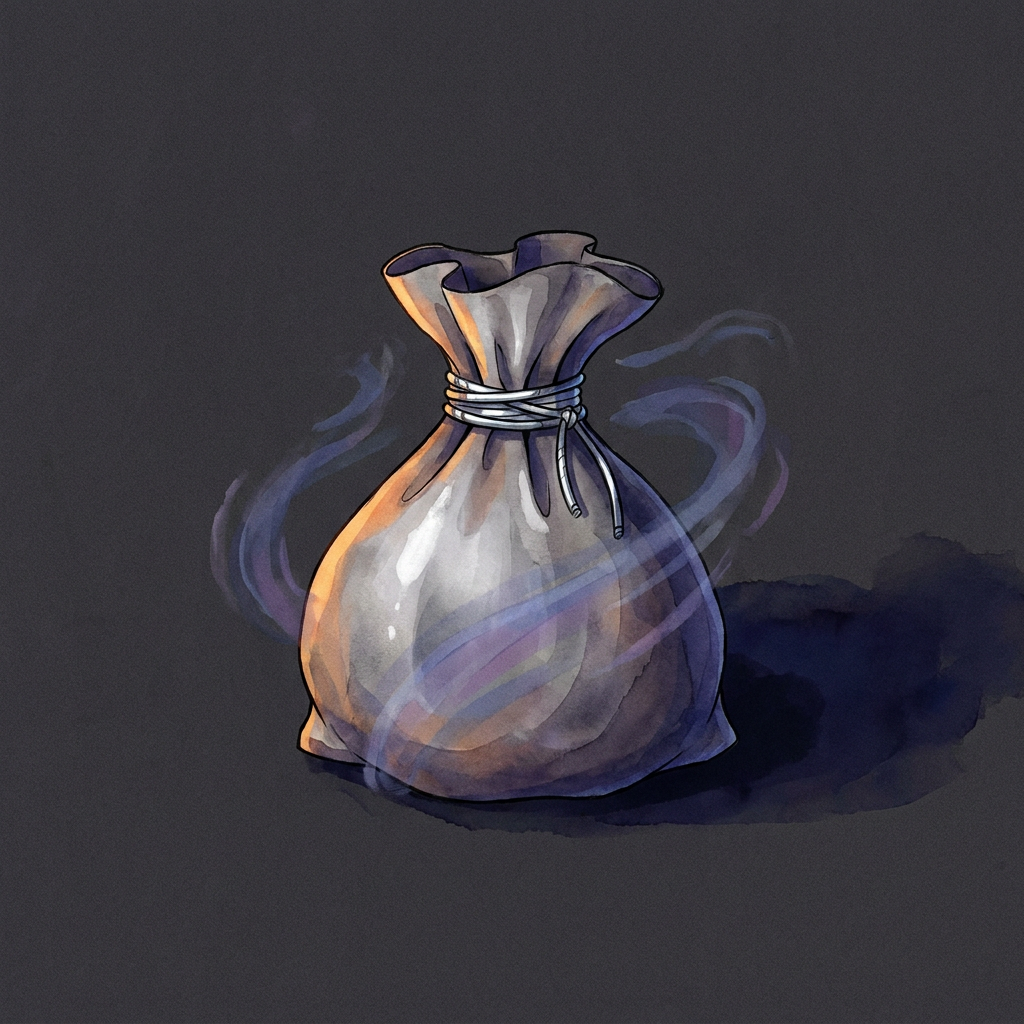
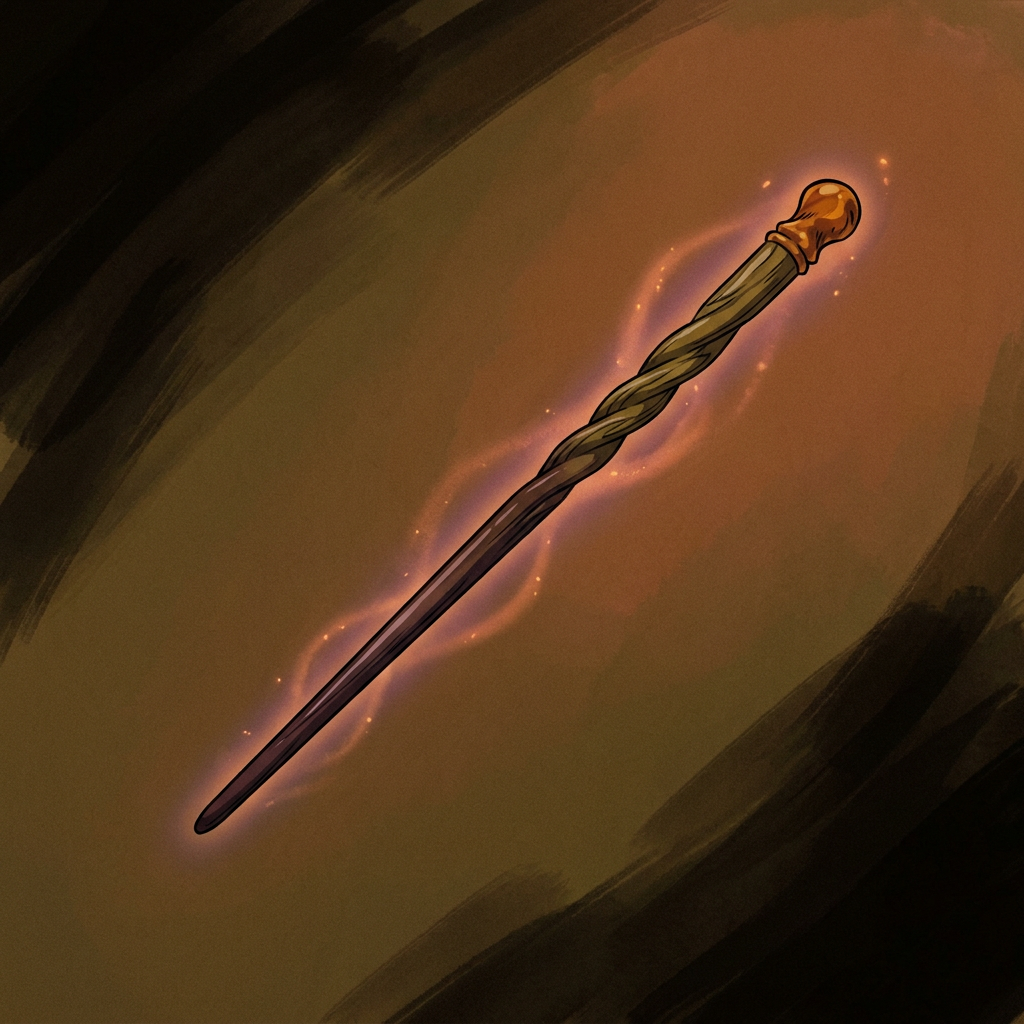
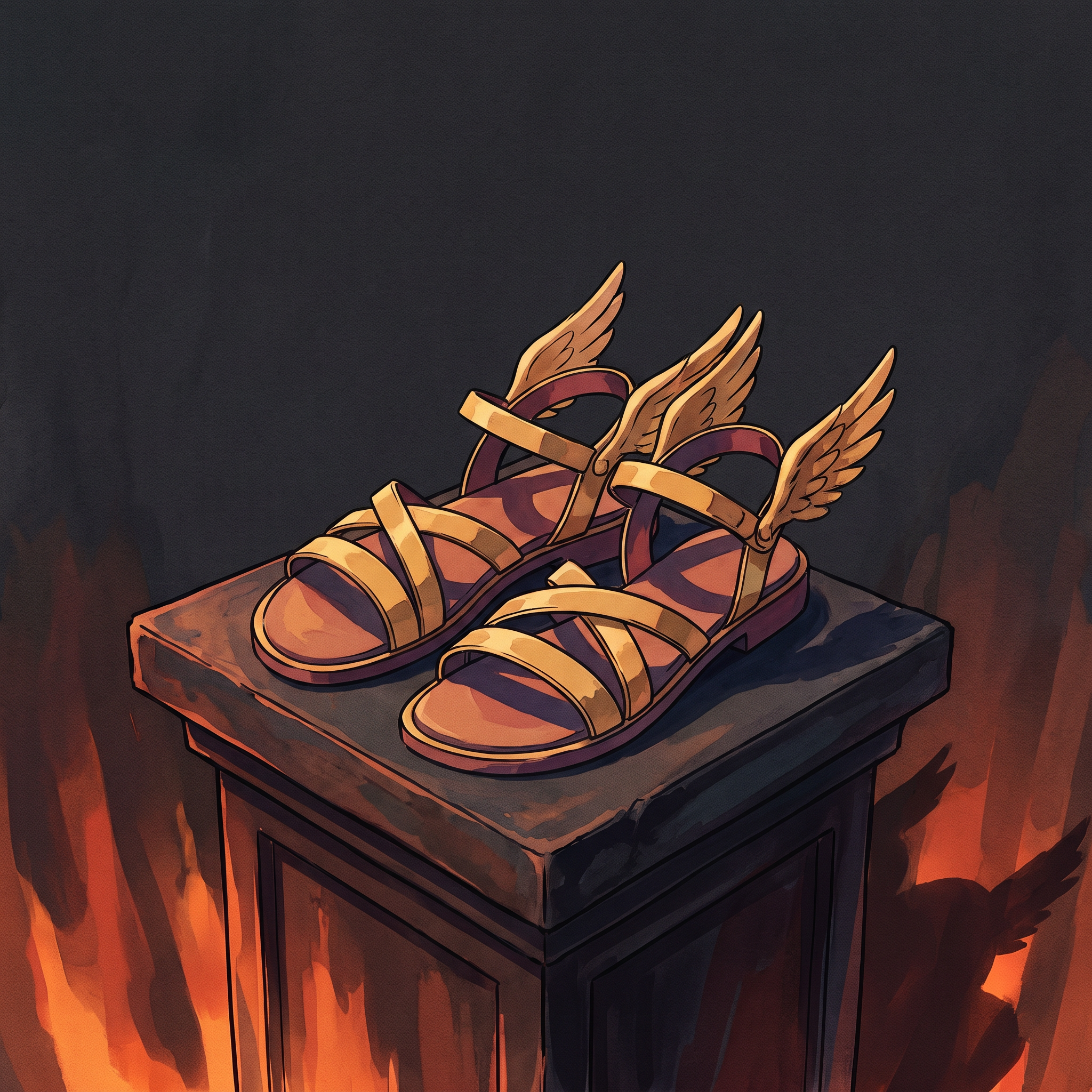
Gods, monsters, magic — cast the same way as the leads, because the system cast everything on that wall. Unique faces, correct era, house line-weight, right first time — "right" is precisely defined by the library and the taste profile. This is where the economics bend: the marginal scene stops costing art direction.
A new artist needs zero lore.
"Penelope hears the hall go quiet. Hold on her hands — the shuttle stops."
@penelope@penelope/loom@great-hallDay one on the show, an artist doesn't need the world in their head. The tags carry the canon. The brief carries the intent. The house style ships as a skill — the craft rules, packaged so the tools apply them automatically.
Every rule from the law slide — the scars — is written into that package and handed to every new artist on arrival. Their pitch is checked against canon and taste before a single frame generates.
Consistency stops living in people's heads. People get to spend themselves on taste. And this is the third durable piece from the machine slide: the style skill — production knowledge made portable.
From locked plates to finished scenes.
Circe's Cup — the drugged cup fails, the wand rises, the sword answers. Japanese dialogue, native audio, four shots.
Every element on screen traces to an approved plate:
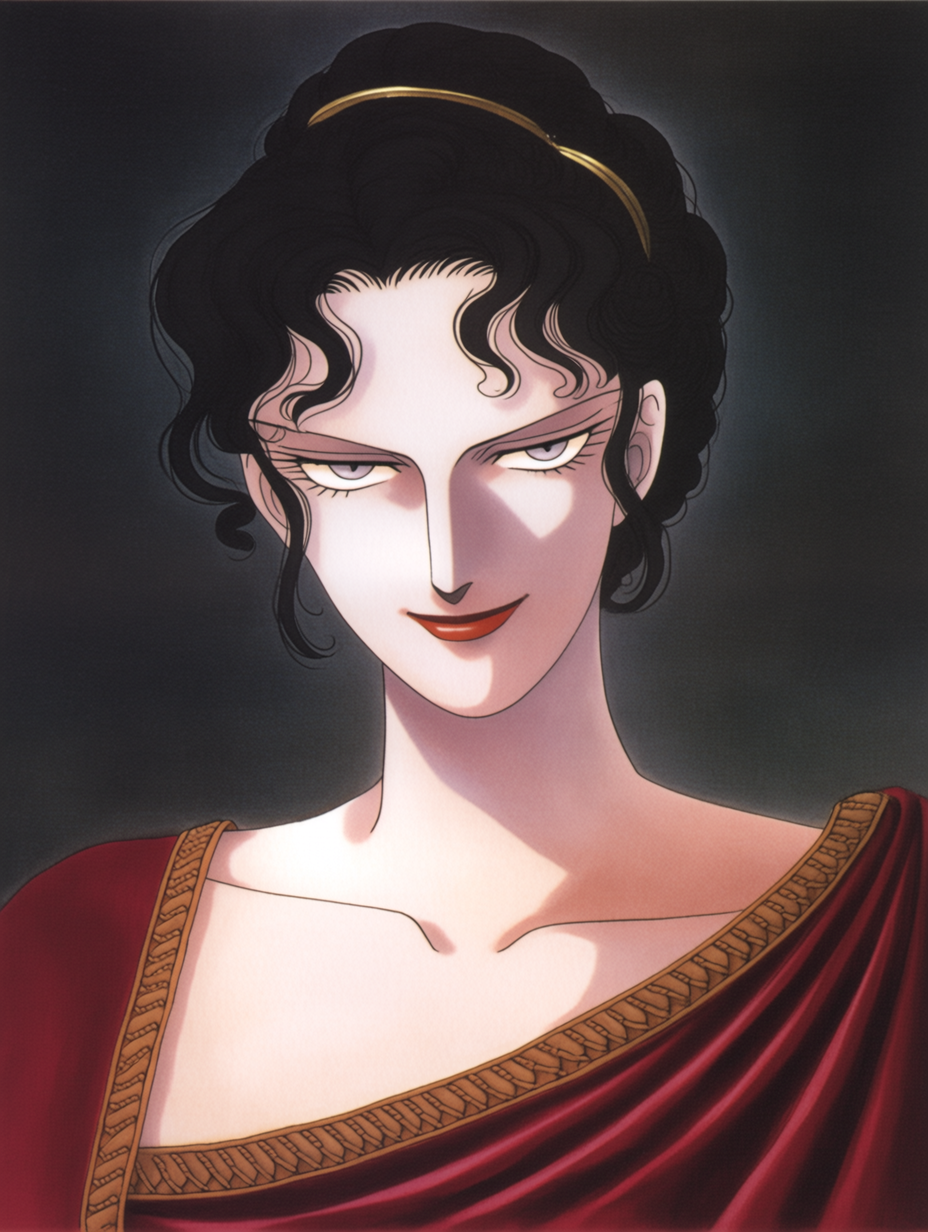
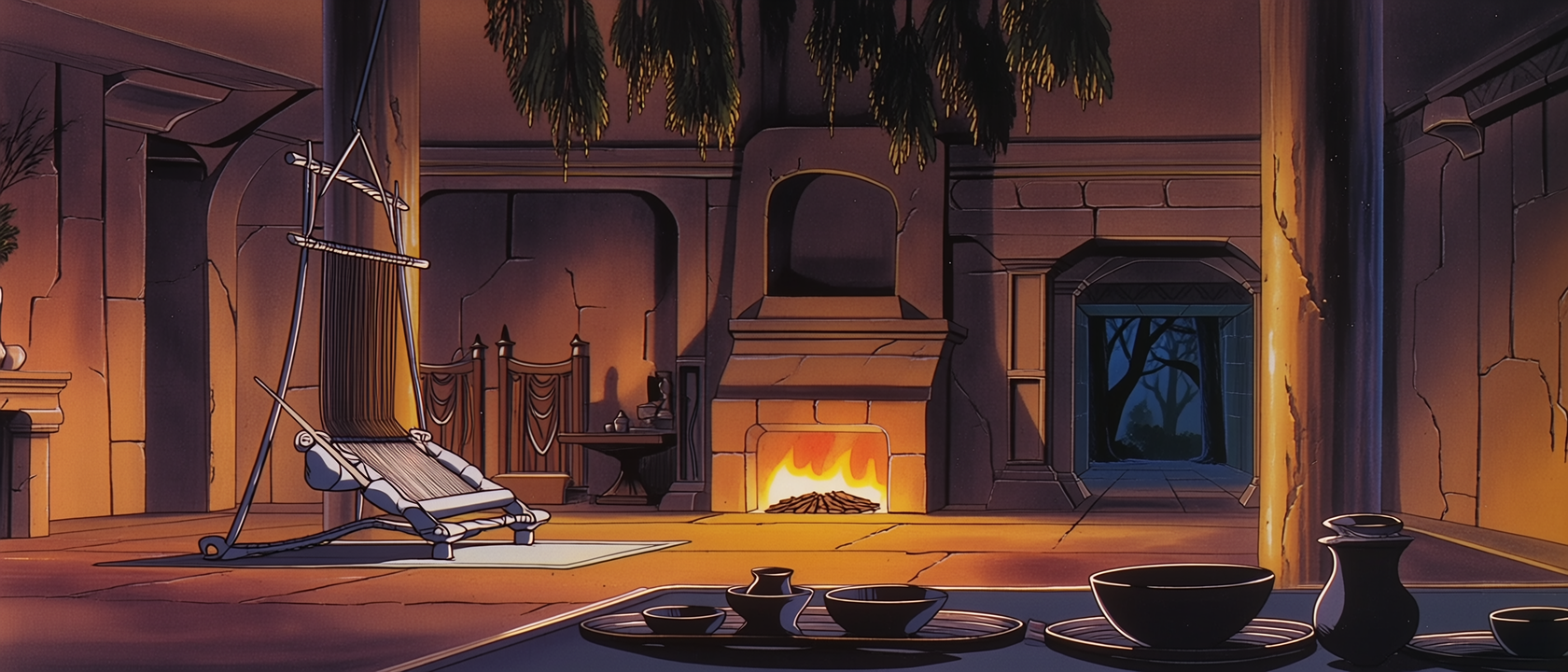
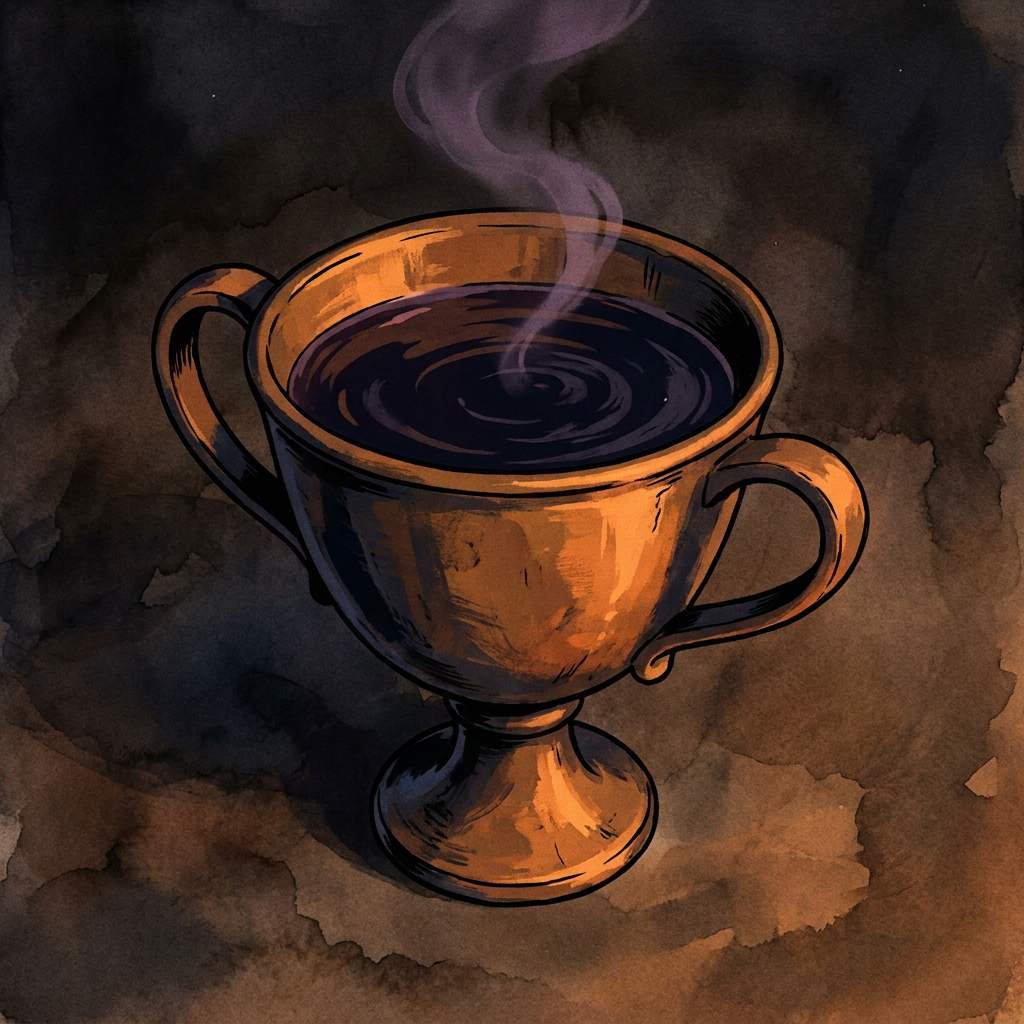
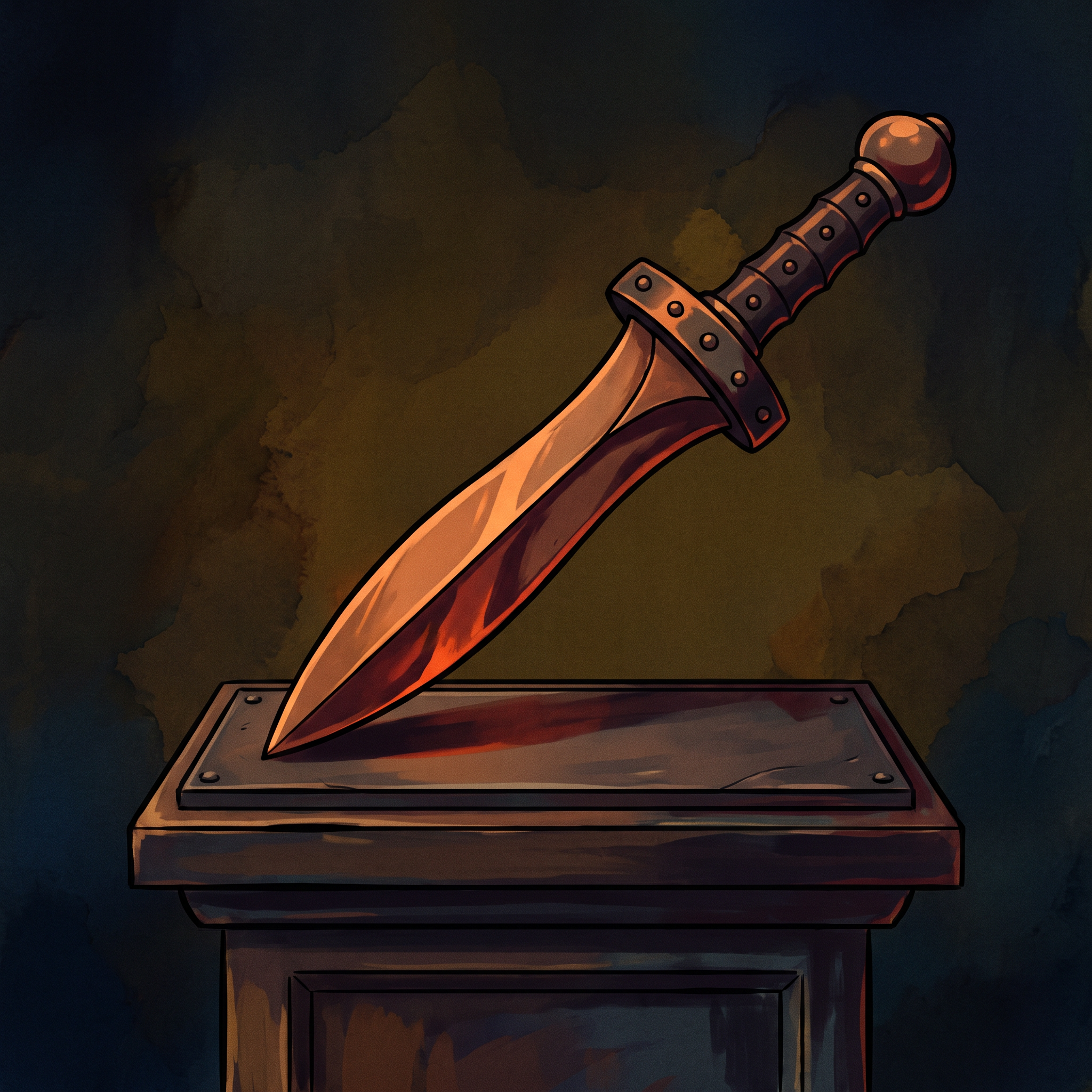
Six scenes of the Odyssey, spoken in Japanese.
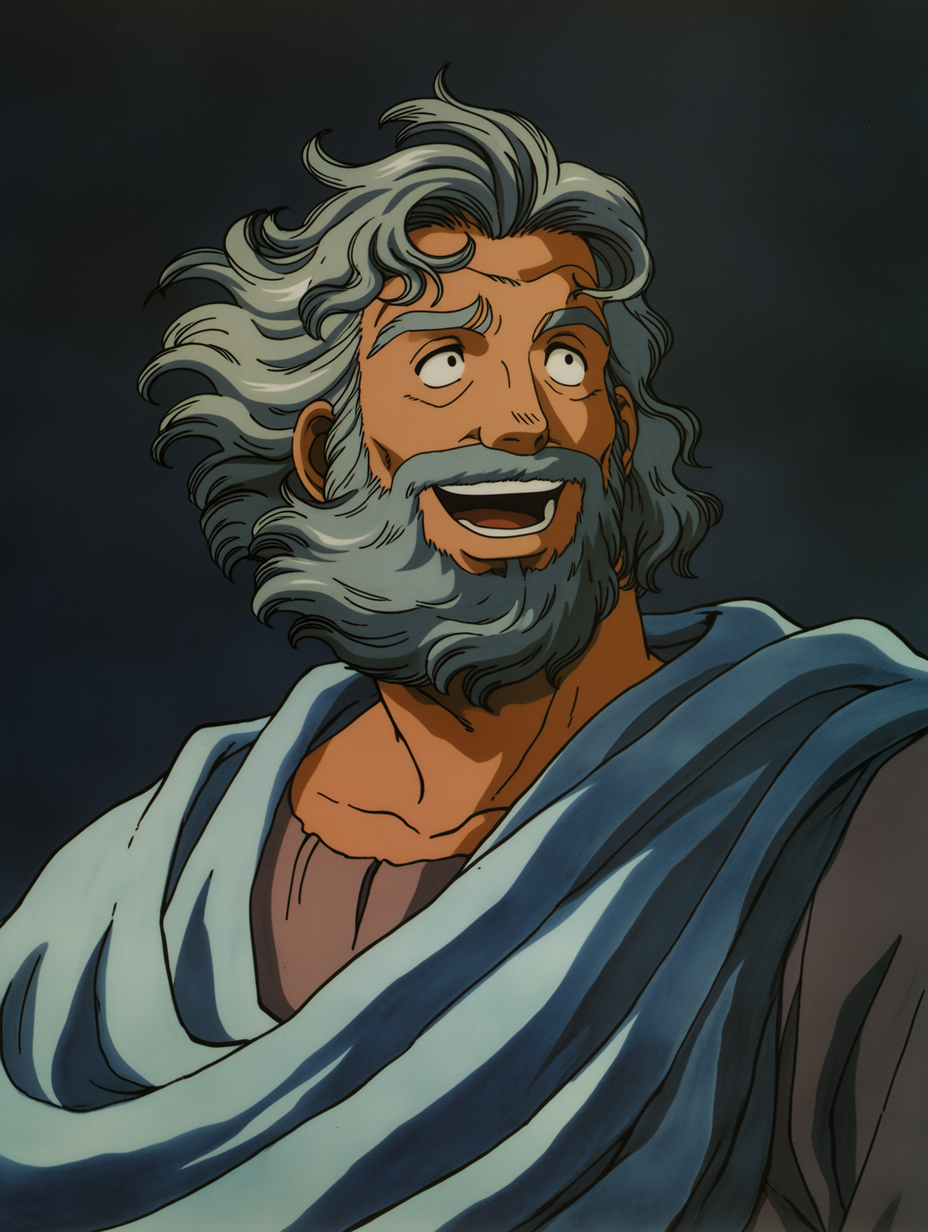
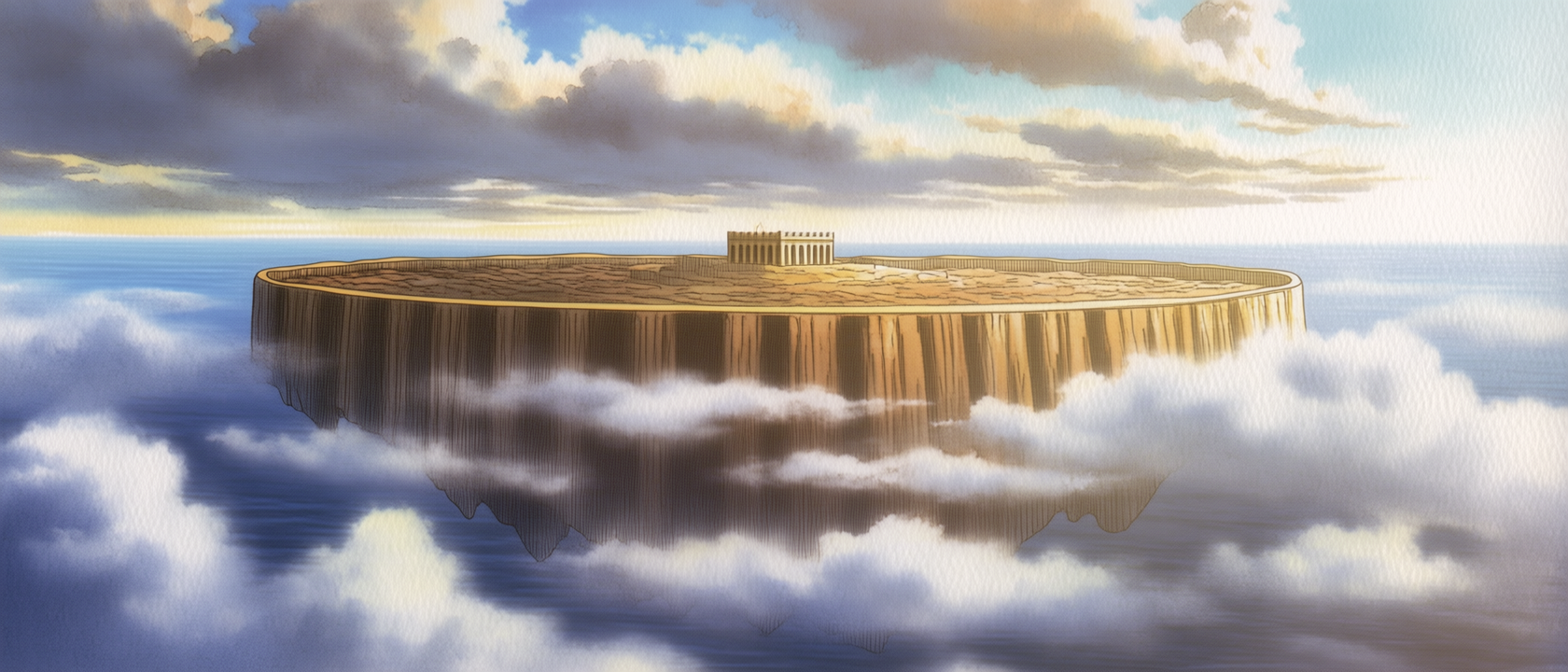
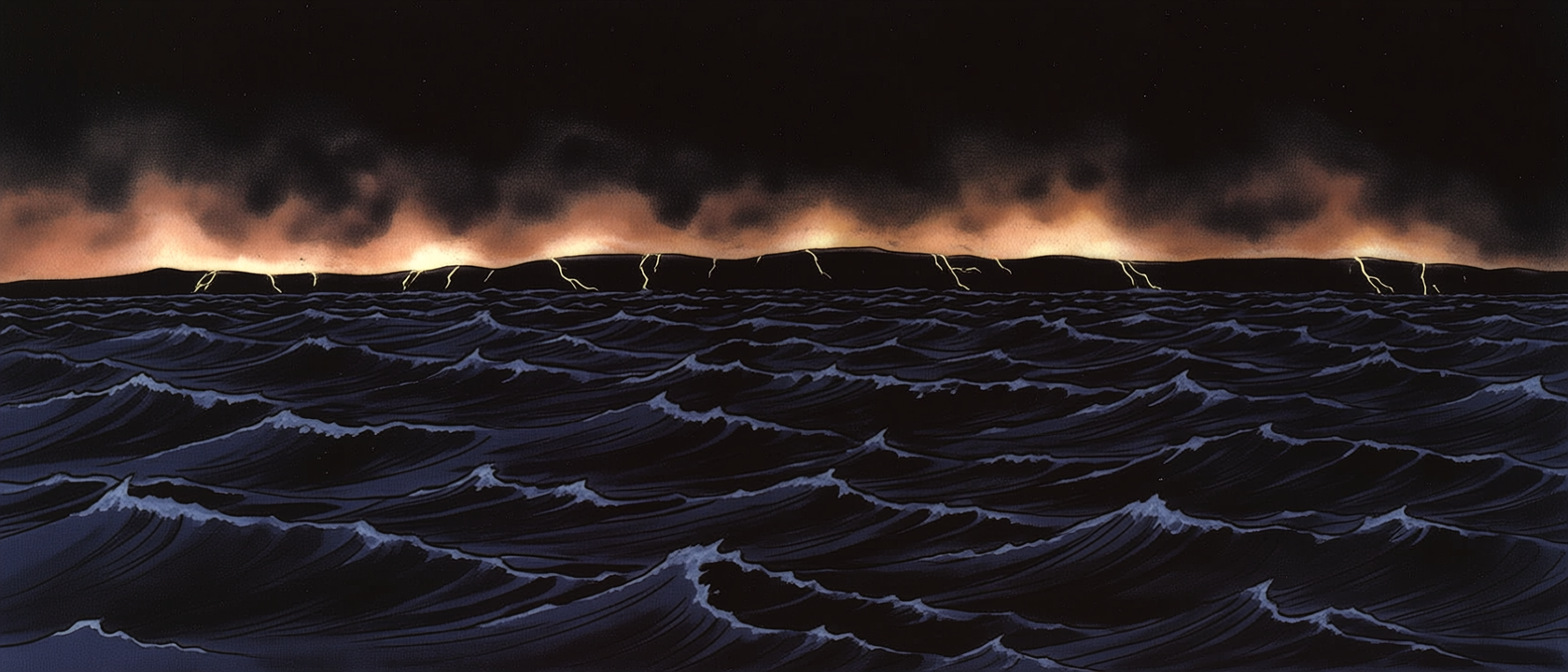
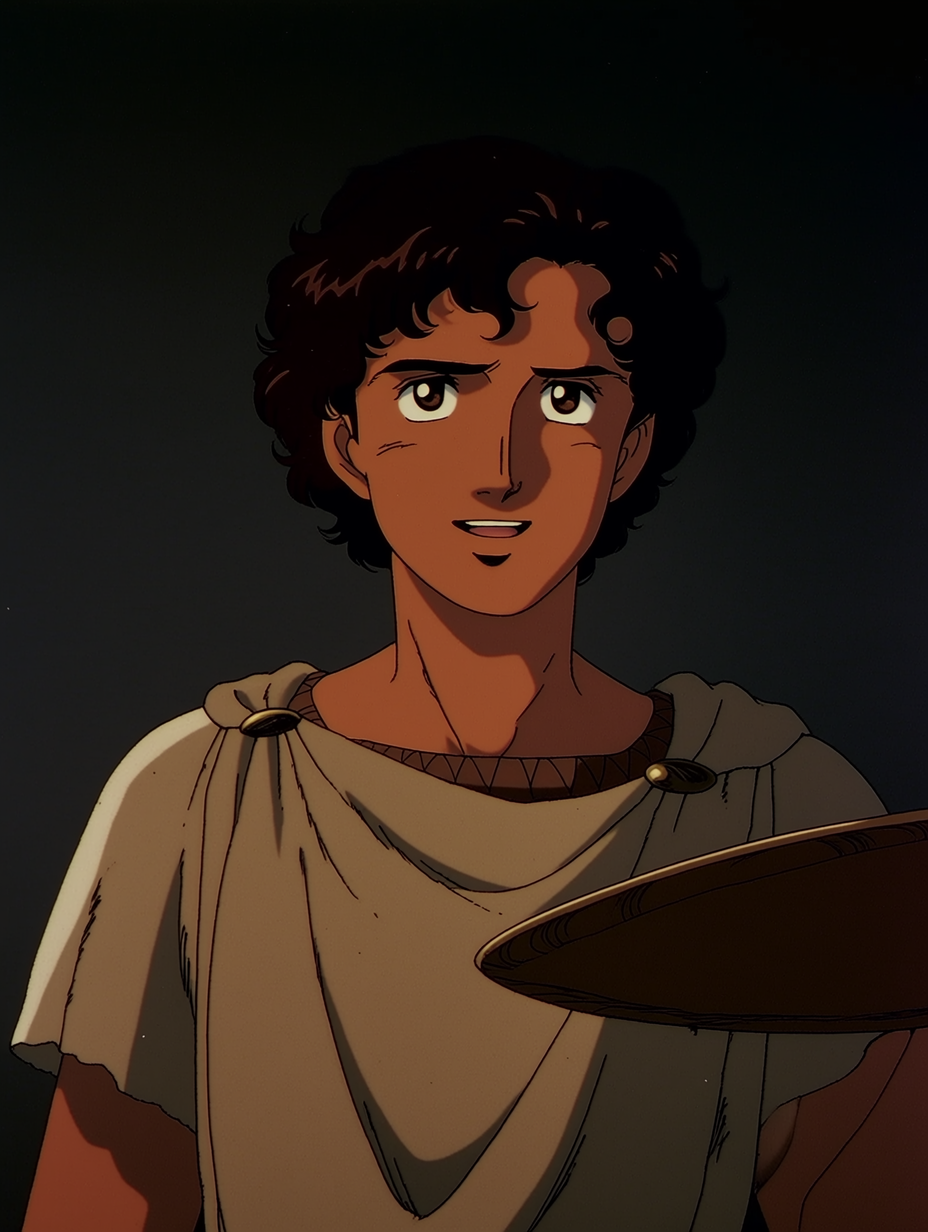
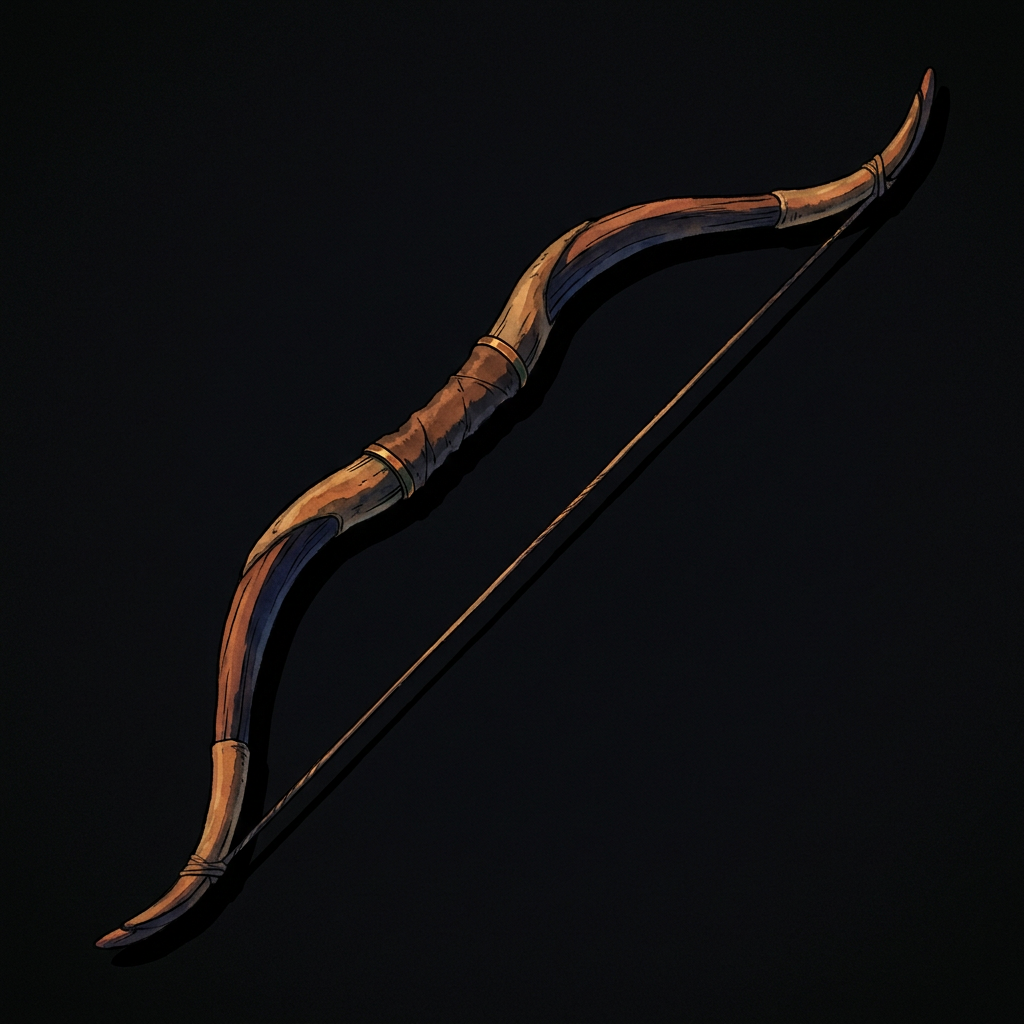
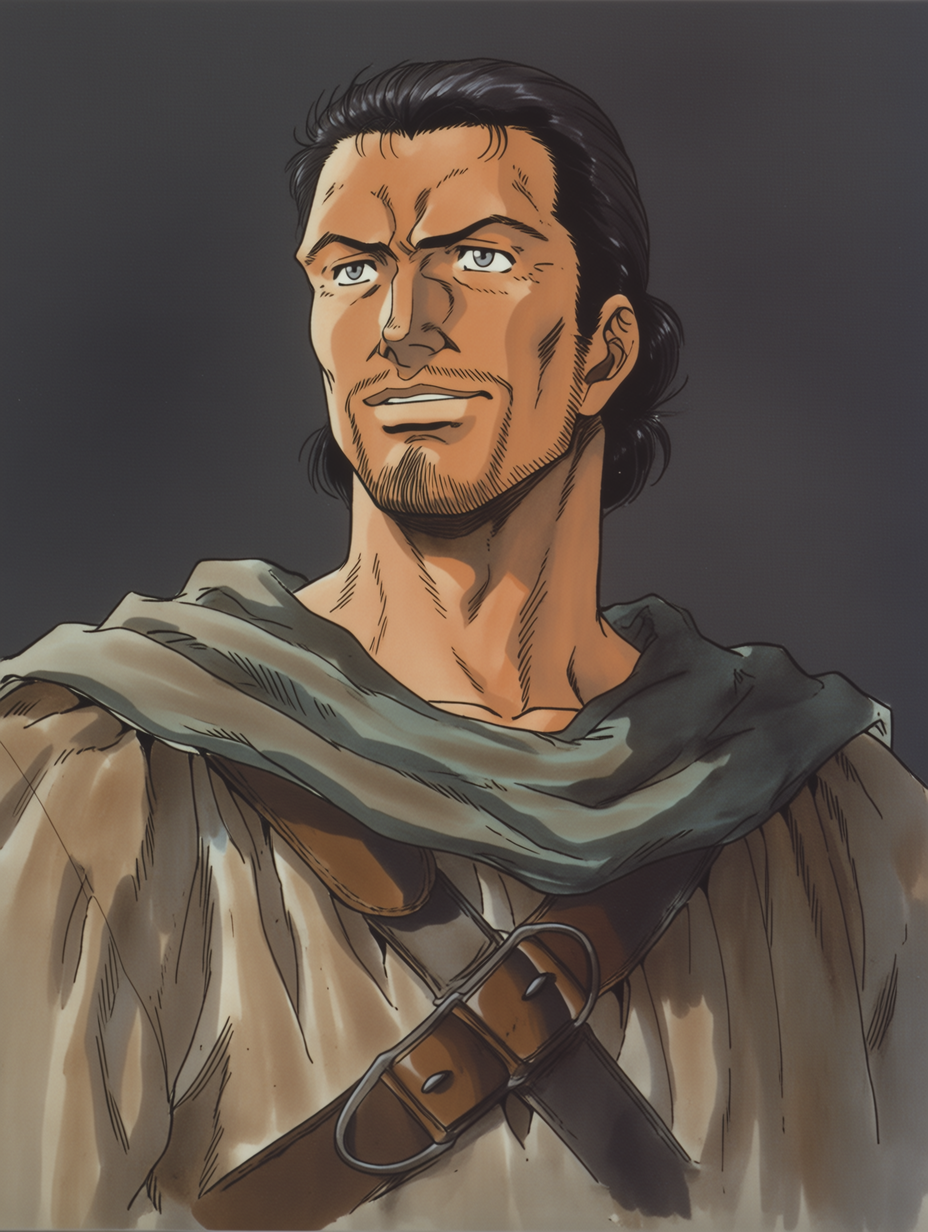
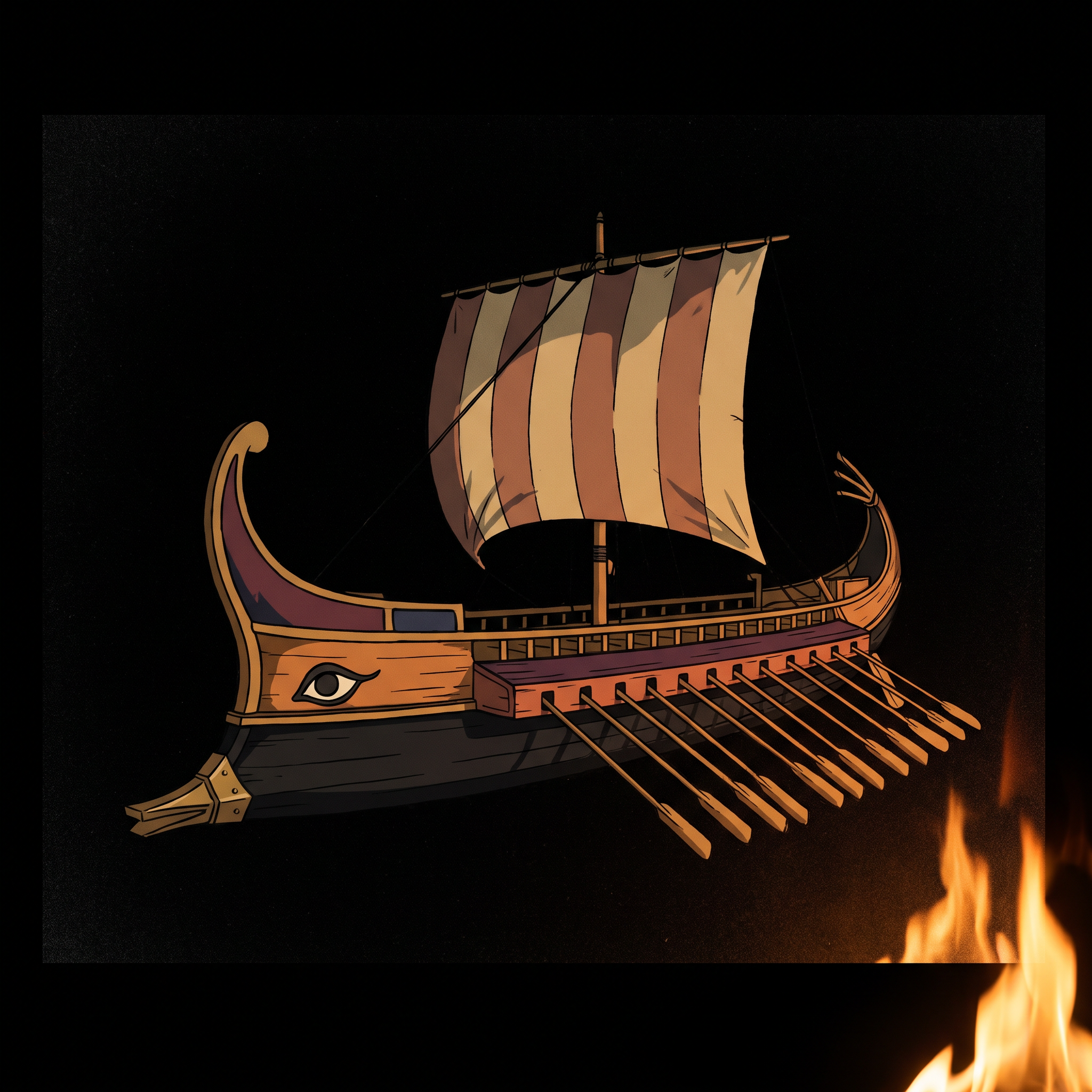
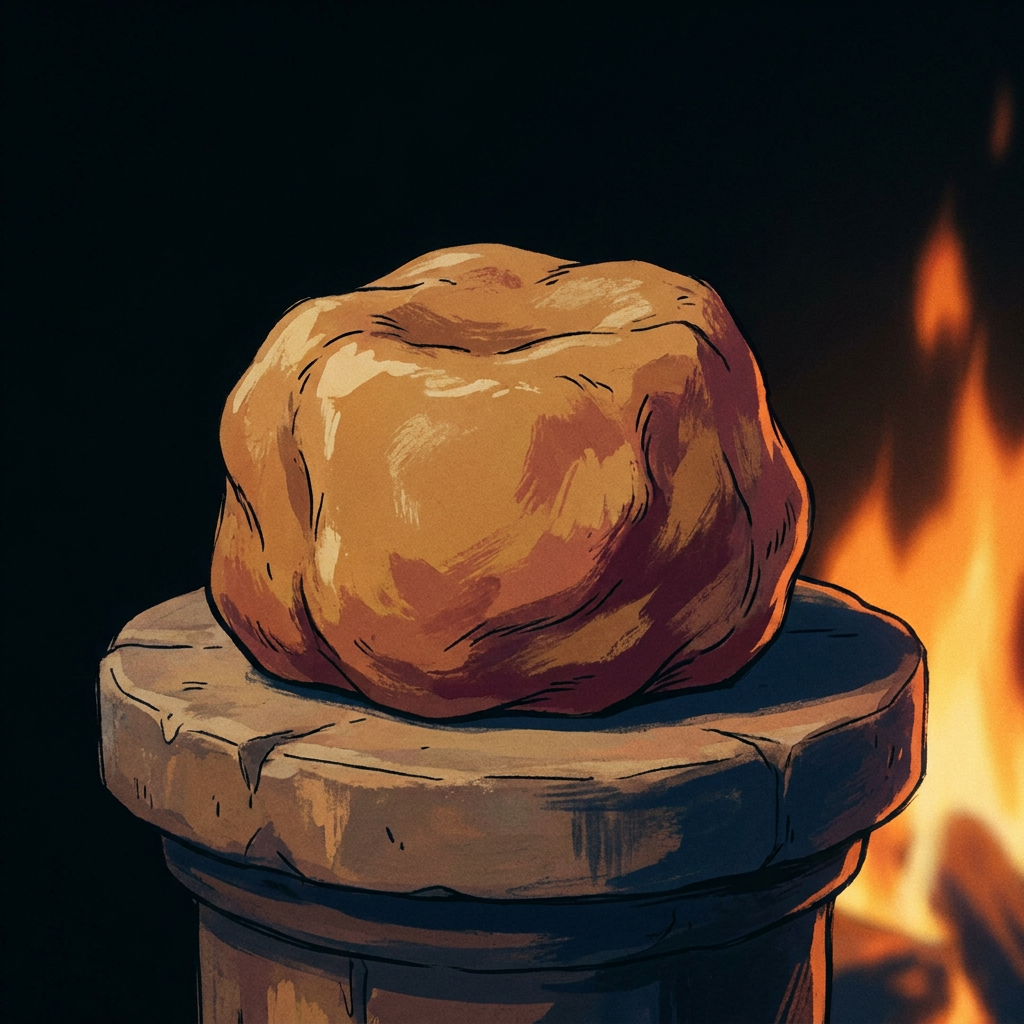
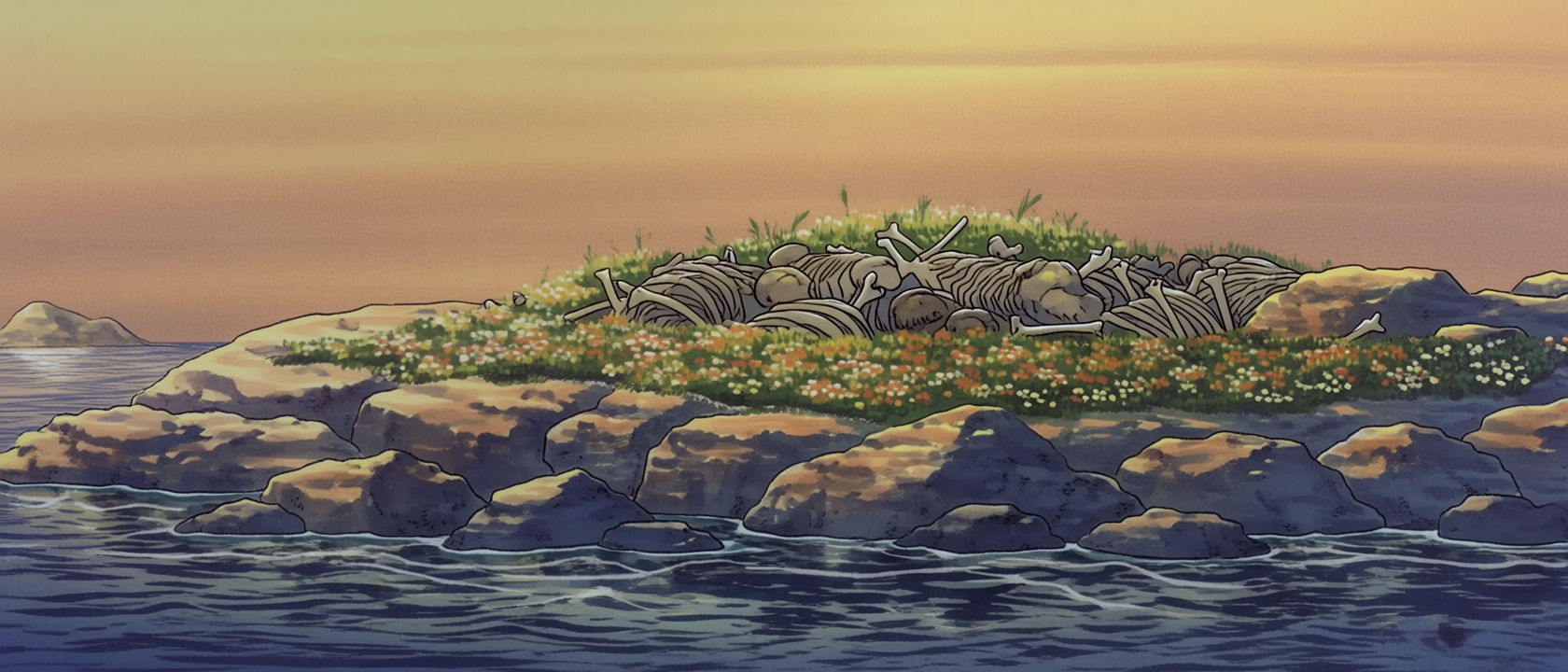
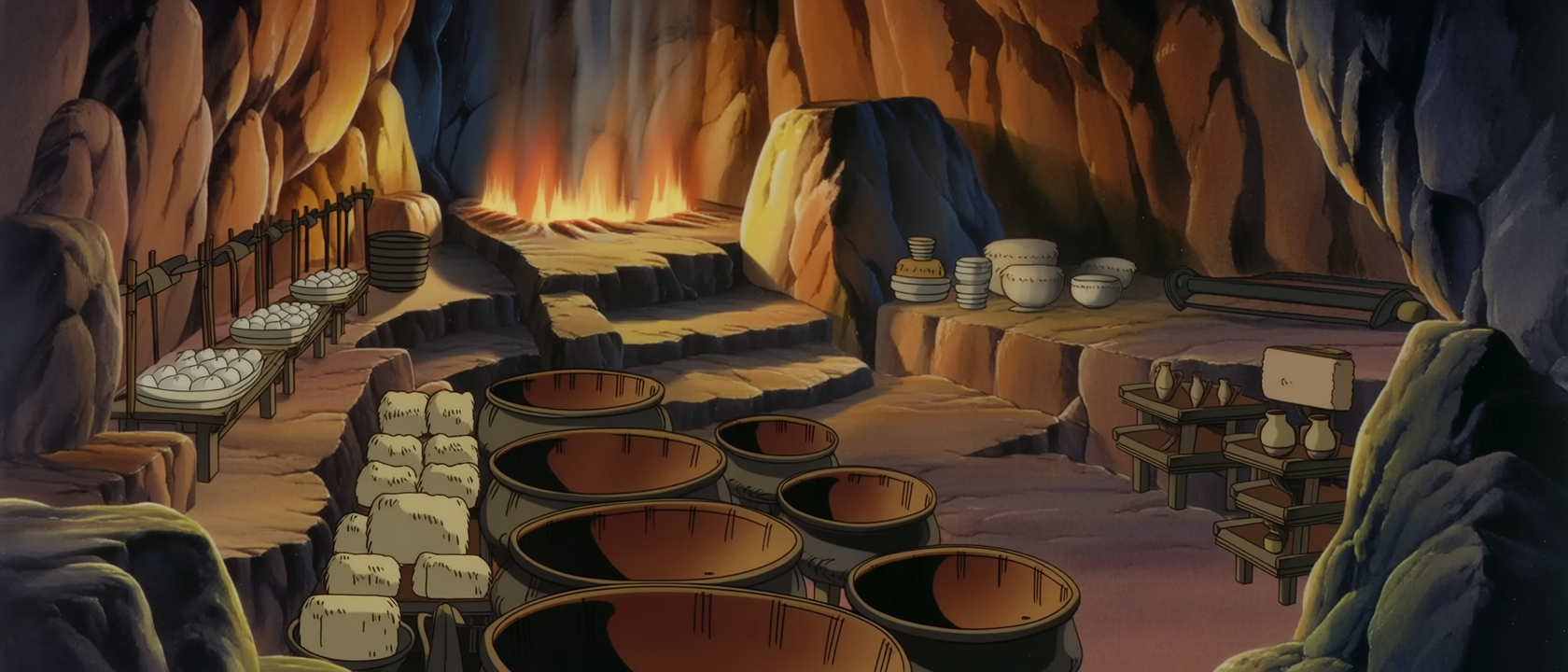
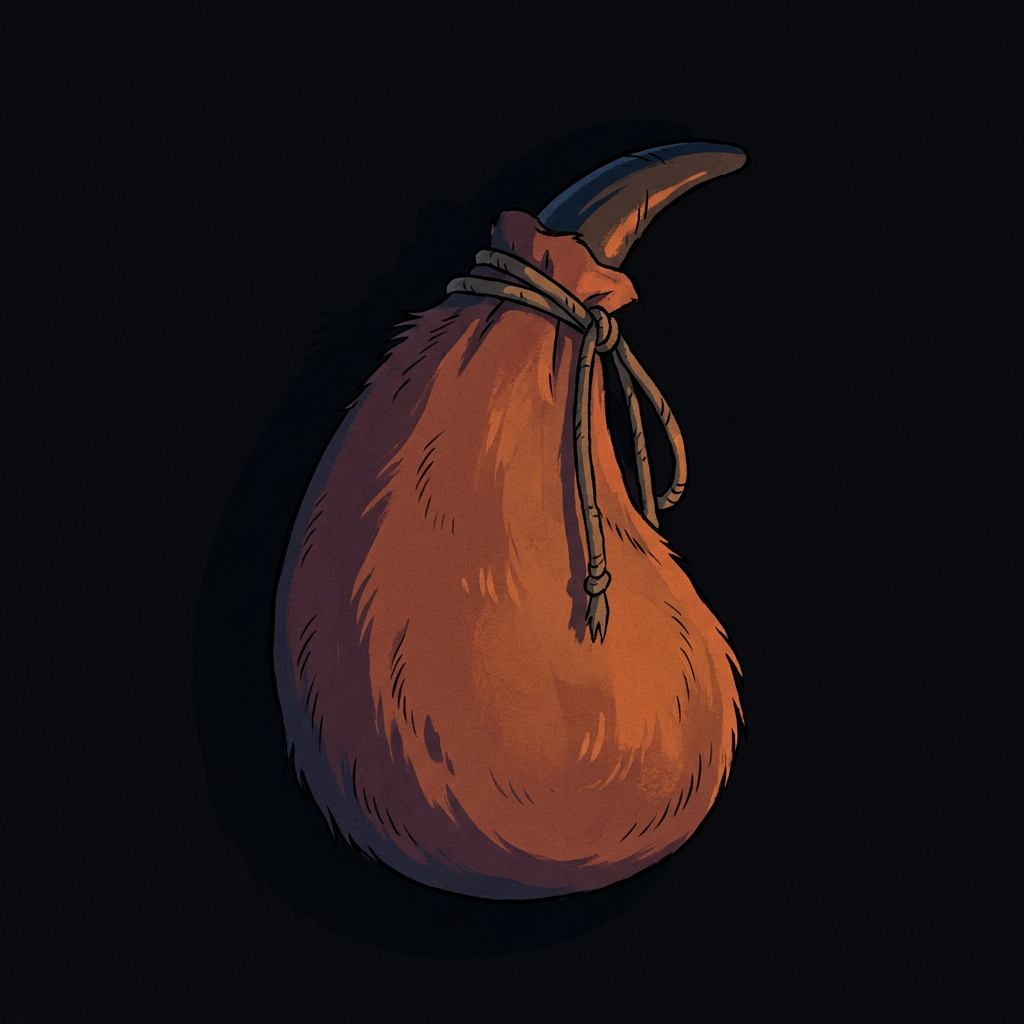
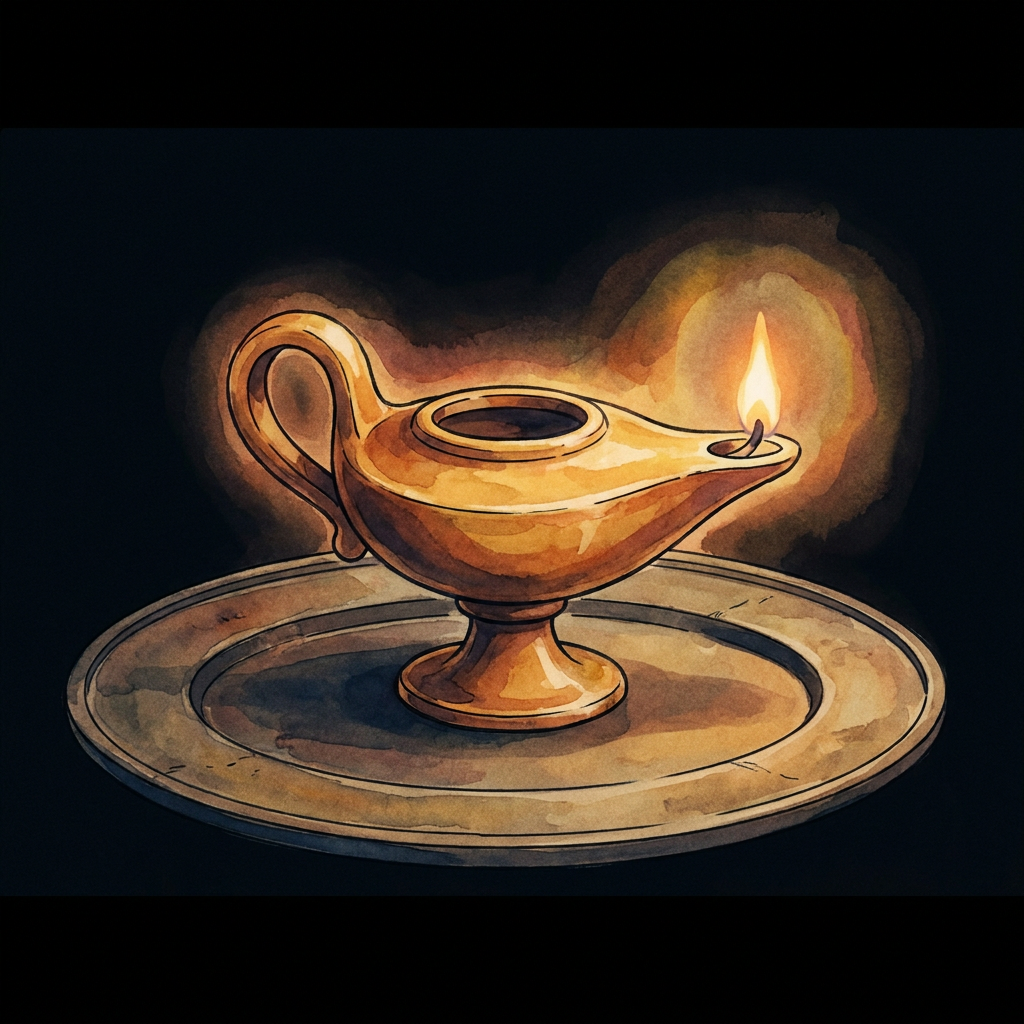
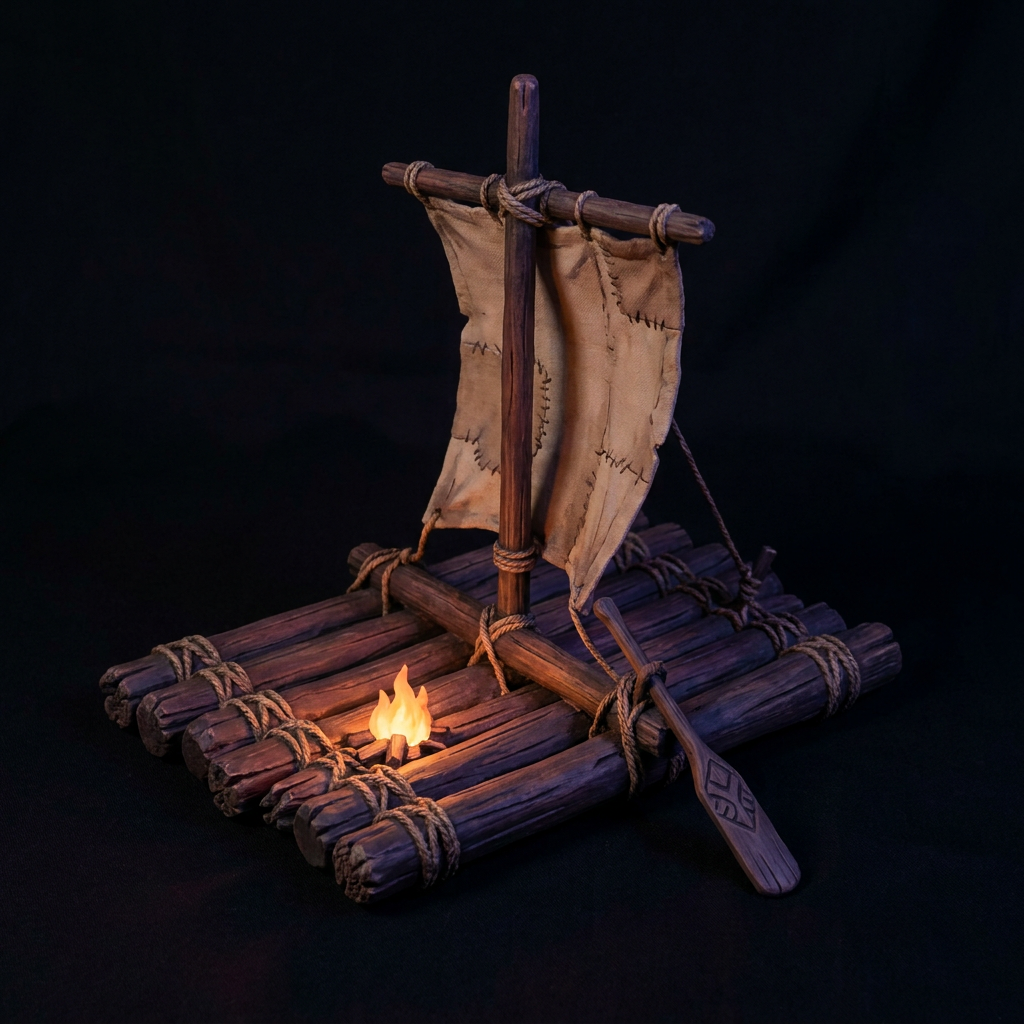
Under every clip: the plates it was built from — cast, sets, props, states. The thumbnails aren't decoration; they're the exact reference images the render was steered by. Nine scenes — all from demo assets compiled in less than a day.
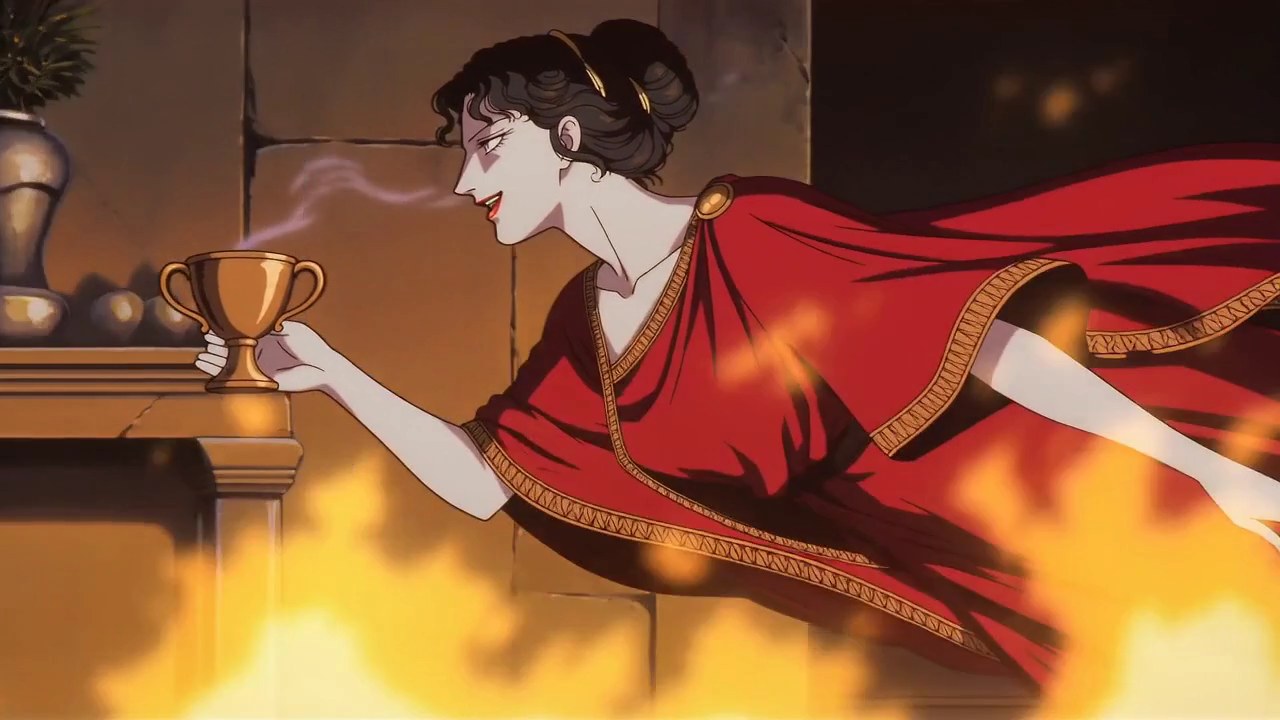
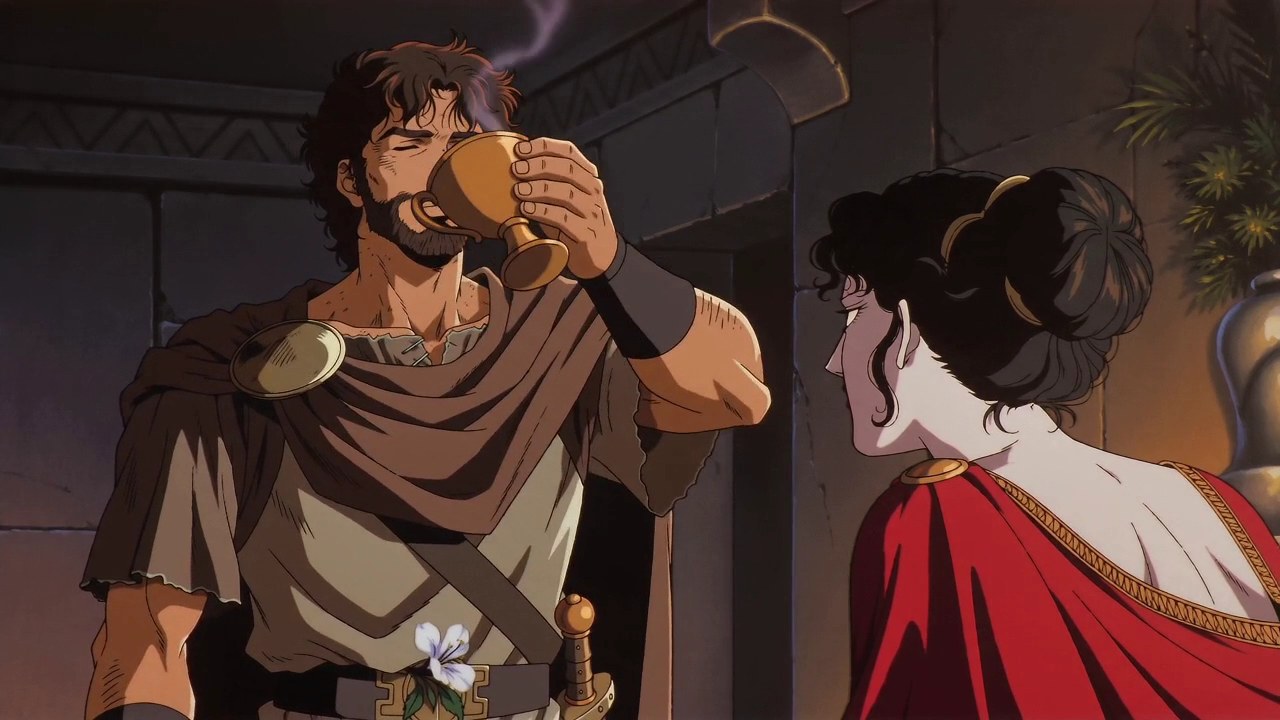
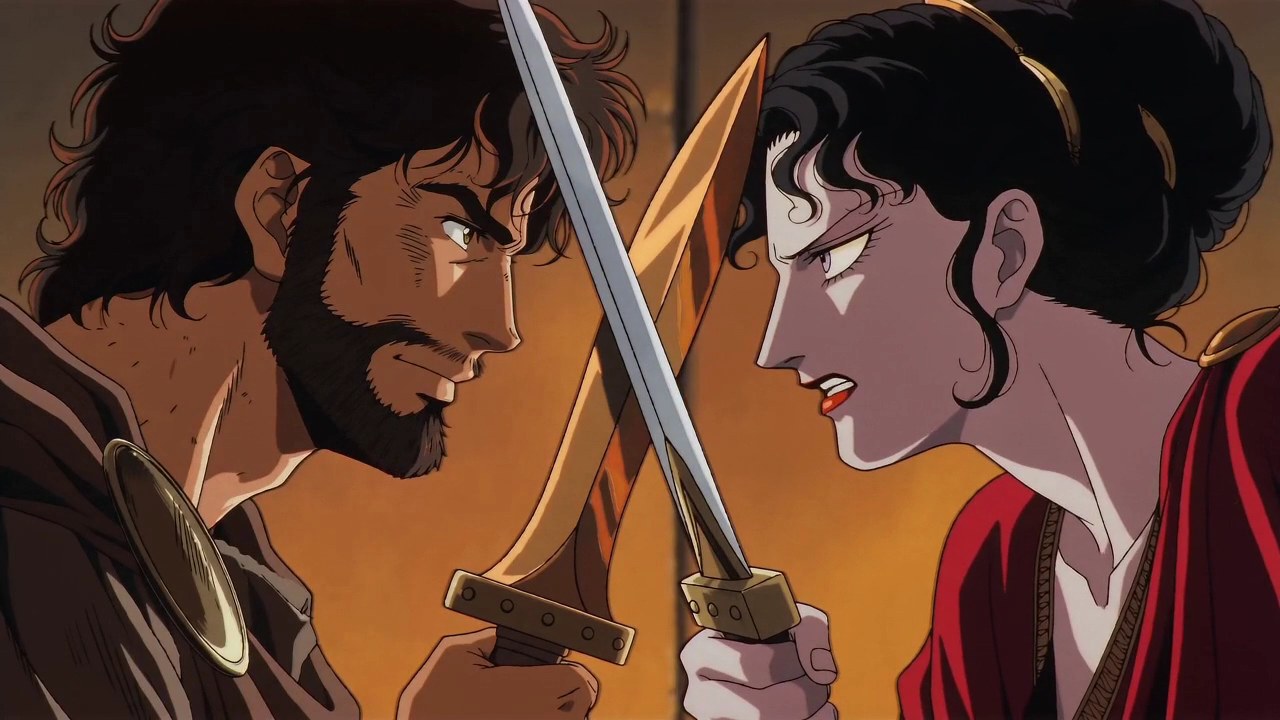 Circe's Cup · three frames from the delivered scene
This is what "the system works" means: every element on screen is accountable to an approved plate a rights holder said yes to. And the cuts take notes like dailies — "lose the wax in his ears," "hold the silhouette longer" — every note files back into the guardrails, so motion sharpens with use exactly the way the stills did. Decision by decision, the system gets harder to catch out.
Gods, monsters, and a mountain thrown at a ship.

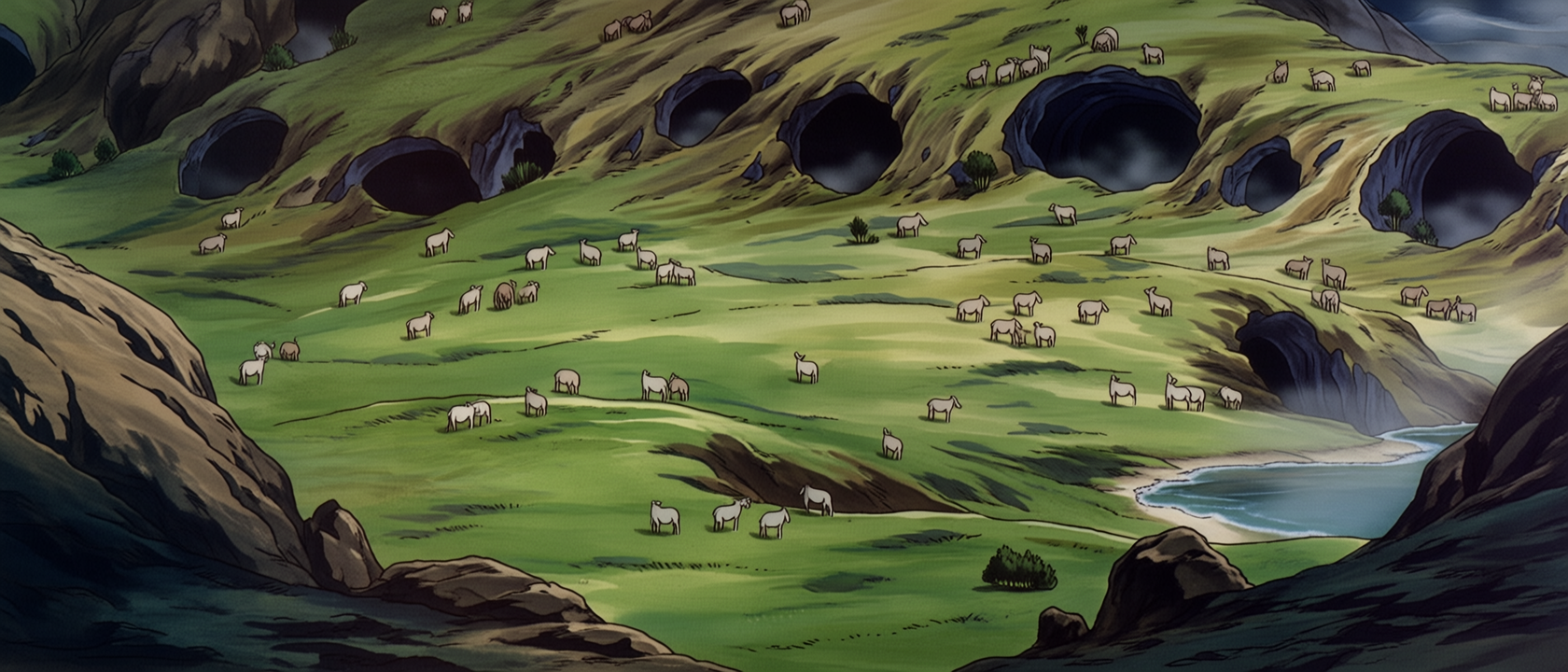
No dialogue, no crutches — pure staging inside the guardrails: the god made of the wave, the monsters kept in silhouette, the throw and the near-miss. The same locked plates, pushed to spectacle.